Guide
Bespoke Metalwork for Luxury Villas: Scope, Durability and Delivery
Villa projects buy the same craft as hotels under different rules: one client, mixed interior and exterior scope, smaller builders. What changes in specification, finishing and logistics.
Same craft, different project
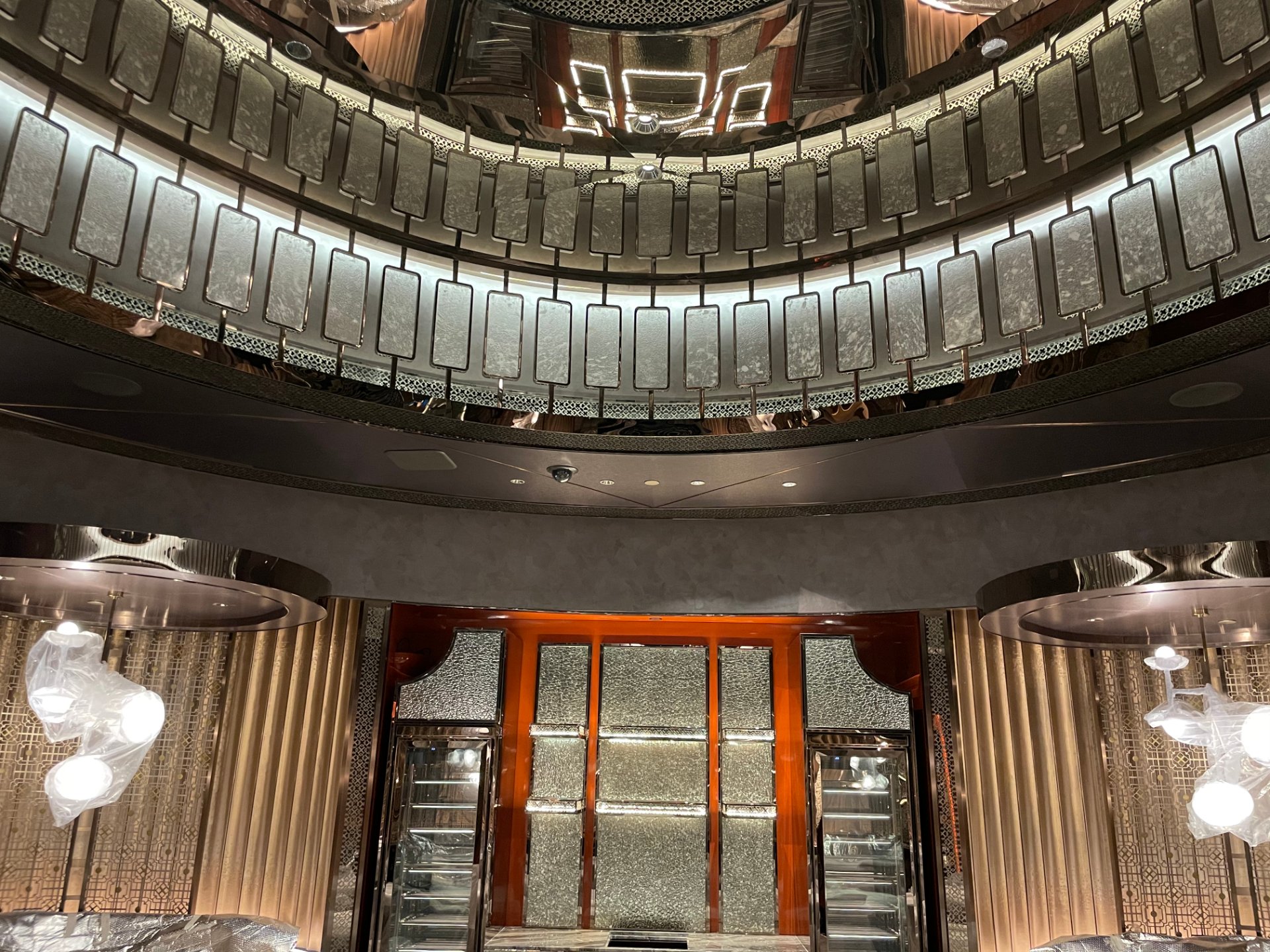
A luxury villa asks for the same metalwork vocabulary as a hotel — staircases and railings, screens and gates, feature walls, mirror frames, spandrels, planters and furniture. What changes is the shape of the project around the metalwork: one client instead of a chain, a design that is personal instead of brand-standard, and a delivery environment with less of the hospitality industry's documentation machinery.
For a fabricator, that difference is real. Villa packages reward flexibility, clear communication and engineering judgment, because the drawings are often thinner, the site team smaller, and the client's expectations absolute — it is their home.
What a villa metalwork package typically contains
Compared to a hotel package, villa scope mixes interior and exterior elements in one delivery:
- Circulation features — staircases, balustrades and handrails, often the visual spine of the house.
- Entrance and security — gates, fences and door surrounds in weathering-exposed finishes.
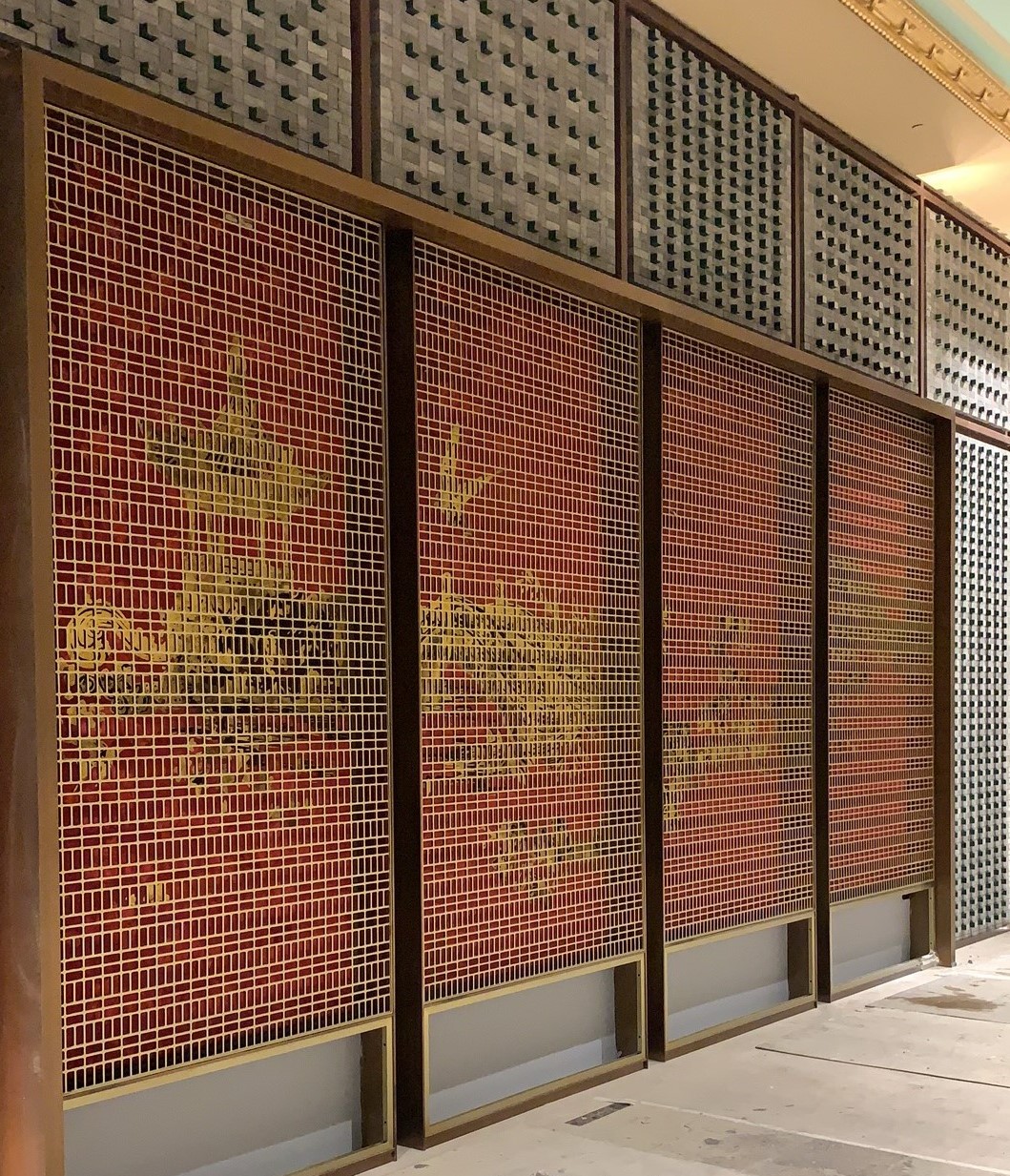
- Interior screens and partitions — the decorative-metal vocabulary covered in decorative metal screens for luxury interiors.
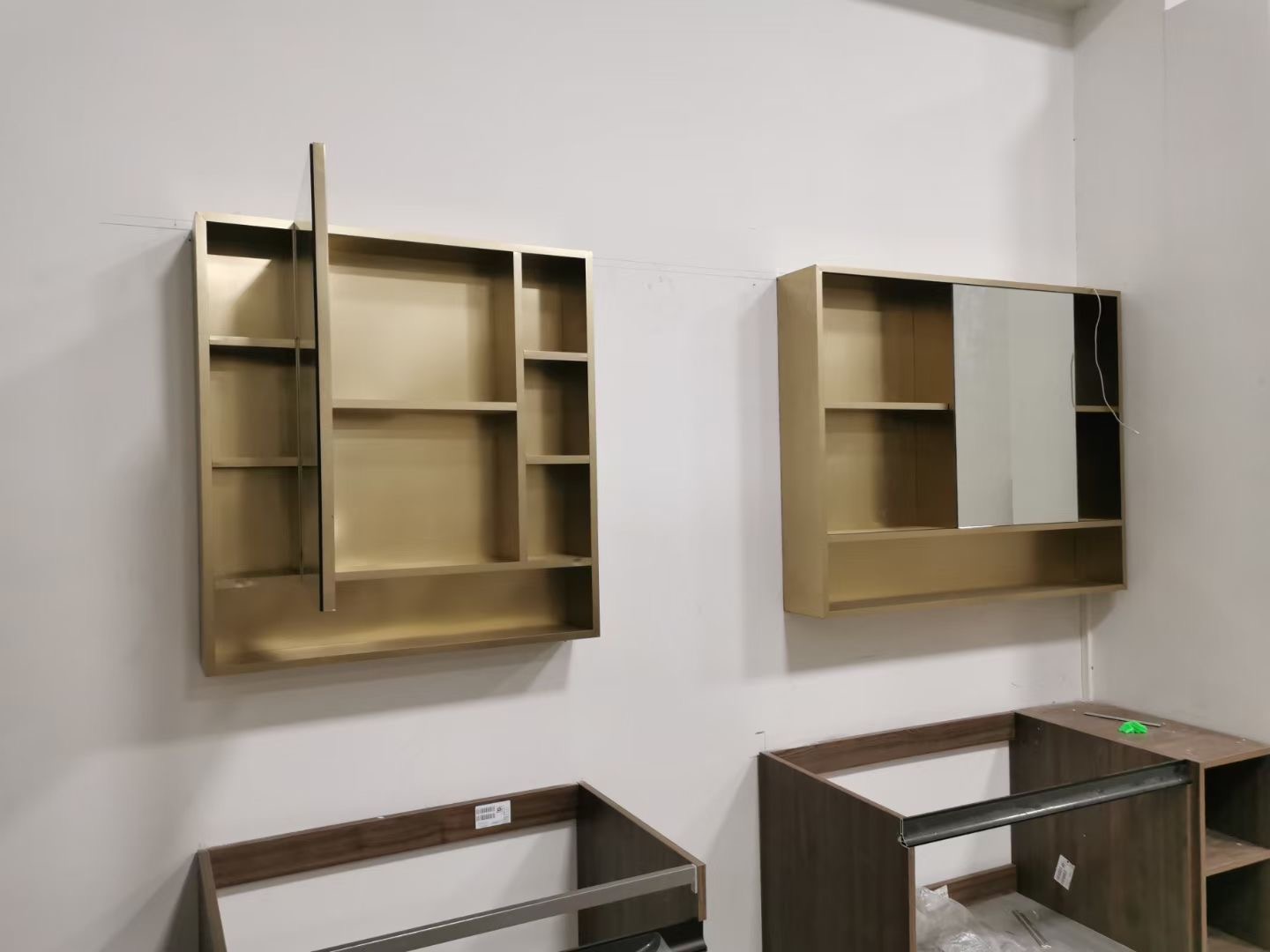
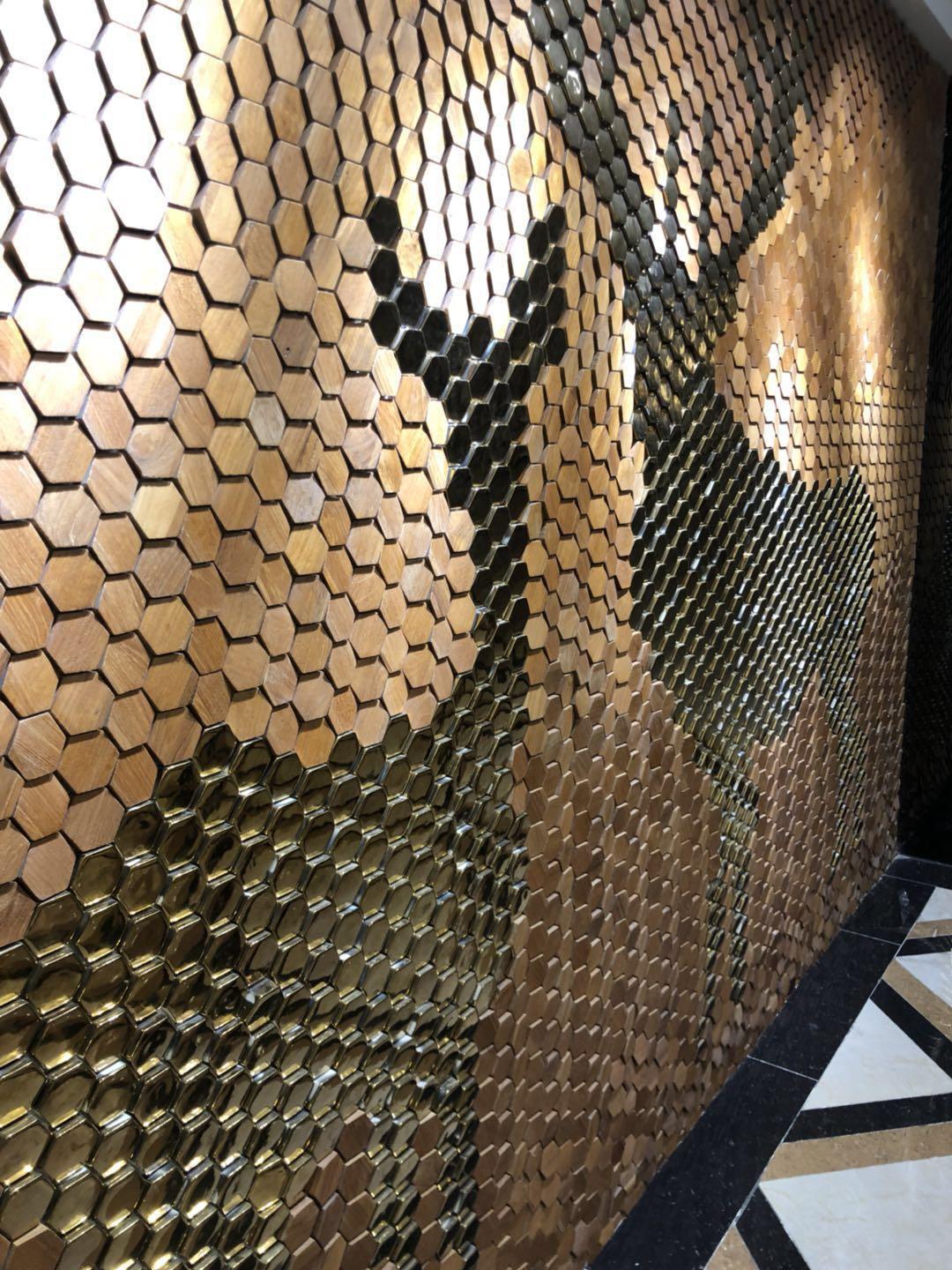
- Feature elements — wall panels, ceilings, mirror frames, fireplace surrounds, furniture pieces.
- Outdoor elements — planters, railings, pool surrounds and shading structures.
That mix is exactly why material and finish decisions have to be made element by element, not project-wide.
Interior and exterior are different specifications
A villa is one of the few project types where the same package crosses from an air-conditioned interior to coastal or poolside exposure. The specification has to follow:
- Stainless grade. Interior decorative work in 304; exterior, pool and coastal exposure arguing for 316 — the trade-offs are set out in SS304 vs SS316 for architectural projects.
- Brass and copper outdoors will patina by design or by accident — decide which, and specify sealing where the intent is to hold the original colour.
- Coated finishes. PVD holds up well in sheltered exterior use; fully exposed sun and salt conditions may argue for paint systems over bright metals. Dark exterior finishes show water spotting and dust — a maintenance consideration worth putting in writing.
Working with smaller builders
Villa projects usually run through a private client, an architect and a smaller main contractor or builder. Two practical adjustments:
Documentation travels further. With fewer people and fewer formal gates, the shop drawing set becomes the single source of truth for everyone — the client's visual reference, the builder's setting-out basis and the fabricator's contract. Investing in clear drawings pays back twice. How that drawing development works is covered in how architectural metal shop drawings are developed.
Interfaces are personal. In a hotel, metal meets a documented stone and joinery specification. In a villa, metal may meet a stonemason's hand-laid wall or a carpenter's bespoke joinery. The fabricator's site-measurement and interface-checking discipline carries the package — measurements taken late, verified against actual construction, and adjustments absorbed in fabrication rather than argued on site.
Delivering to one address
Villa logistics differ from container-quantity hotel shipments:
- Small volume, high value. A villa package may be one truckload or a partial container — but with the same one-off coding, packing and protection discipline as a hotel package, because every piece is irreplaceable on a single-client timeline.
- Sequenced to the fit-out. Villas hand over room by room; coded packing and labelled crates let the builder install in the right order without a warehouse.
- The packing standard still applies. The protective packing logic described in how large decorative metalwork is packed for overseas projects scales down, not down-grades, for villa deliveries.
What villa clients should ask for
- An element-by-element specification — material grade, finish and exposure rating per piece, not a blanket line.
- A drawn sample set — finish samples for every named finish, approved before production.
- Site measurement commitments — who measures, when, and against what stage of construction.
- Interface ownership — written confirmation of which trade holds each junction: metal-to-stone, metal-to-glass, metal-to-joinery.
- A care schedule — what each finish needs over time, especially outdoors, so patina is a choice rather than a surprise.
The fit for a workshop like KingDeco
Villa-scale bespoke work — staircases, screens, gates, furniture and feature pieces in stainless, brass and mixed materials — sits in the same fabrication capability as hospitality packages, with the drawing development, sample discipline and coded packing that those projects demand. What a villa adds is the single-client expectation of finish quality, which is precisely what a controlled workshop process delivers.
If you are specifying metalwork for a villa or private residence project, discuss your project with KingDeco — send us your design drawings for a technical review and quotation.