Guide
Decorative Metal Screens for Luxury Hotels, Villas and Commercial Interiors
How decorative metal screens are engineered for hotel, villa and commercial projects: pattern and material choice, structural spans, finishes, privacy performance and the fabrication details that d
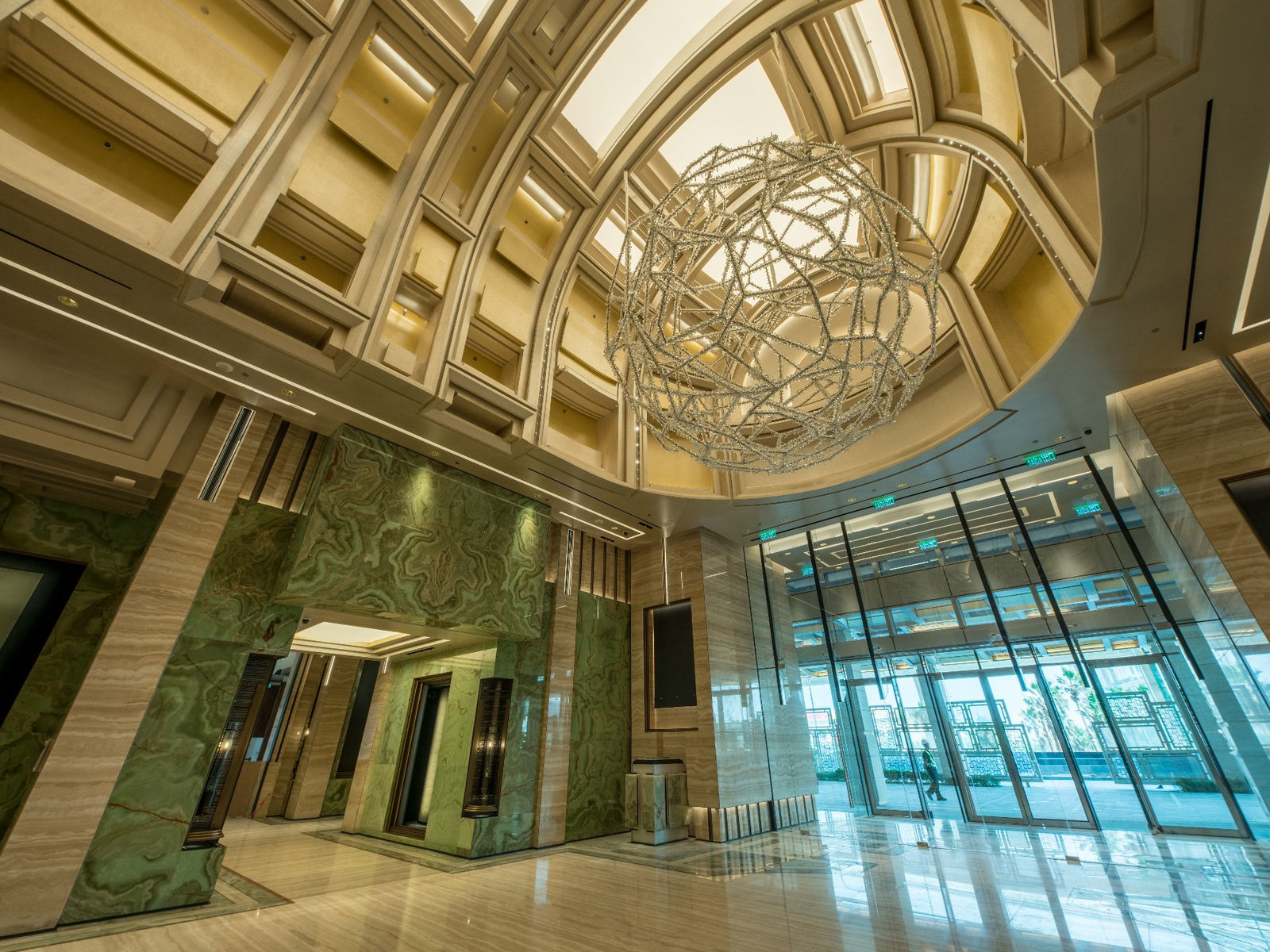
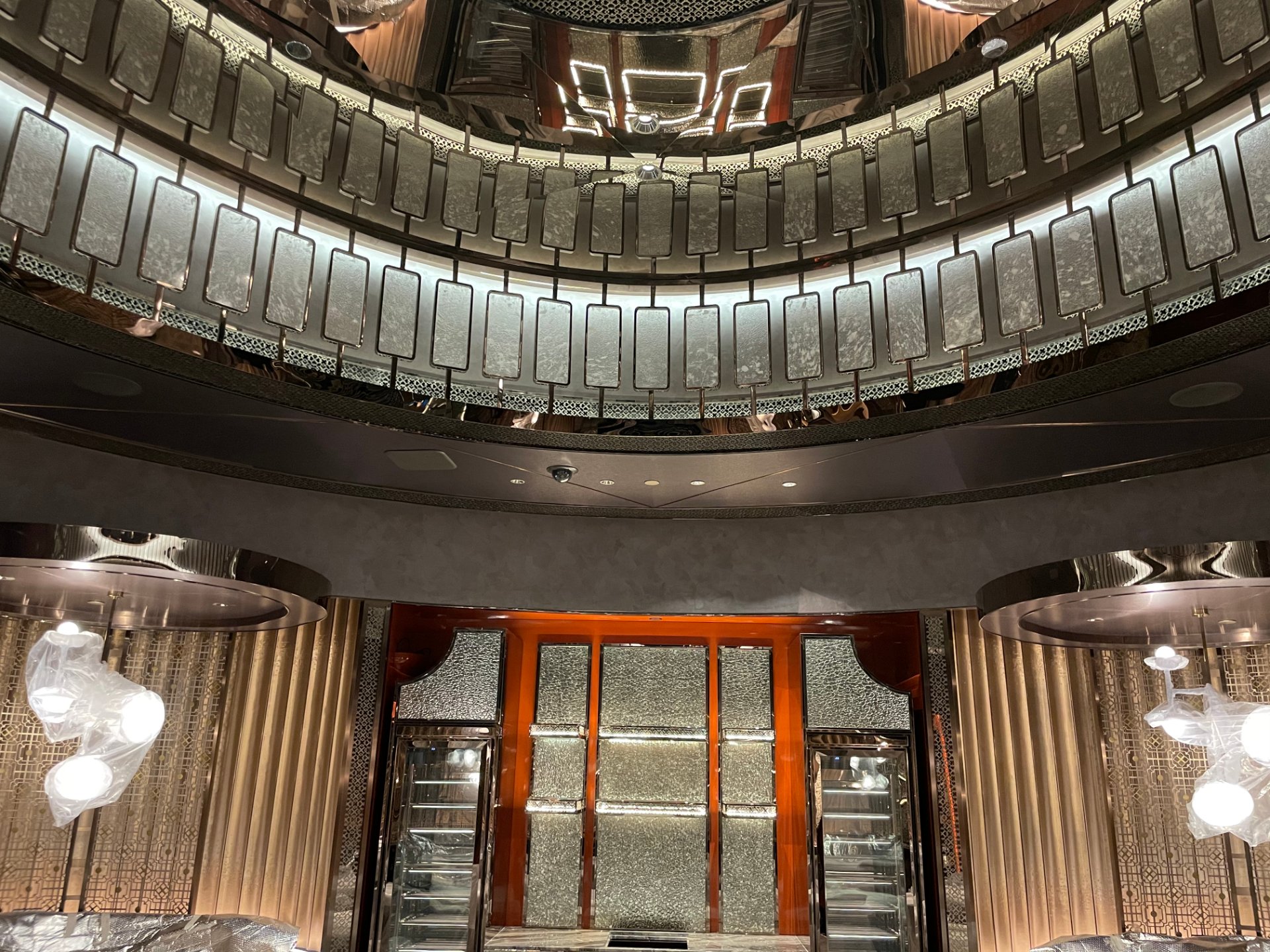
A decorative metal screen does three jobs at once: it divides space without closing it, it carries the design language of the interior, and it filters light and sightlines in a way nothing else can. In luxury hotels, villas and flagship commercial spaces, screens are also one of the few elements guests photograph — which means the fabrication standard has to survive close inspection.
What follows is how a fabrication engineer approaches a screen project, in the order the decisions actually get made.
Start With What the Screen Must Do
Every screen project begins with a performance brief, not a pattern catalogue. The questions that shape everything downstream:
- Privacy level: full visual separation, filtered view, or purely decorative framing
- Airflow: screens in lobbies and F&B spaces often double as ventilation elements
- Lighting interaction: backlit screens read completely differently from front-lit ones
- Fire and code: corridor and egress-adjacent screens may need specific material certifications
- Maintenance reach: how often will the screen be cleaned, and from where
A screen specified as decorative that ends up carrying privacy expectations will fail on site. Agree the performance first; choose the pattern second.
Material: Stainless, Brass, Aluminium or a Combination
Stainless steel (304 interior, 316 for coastal and high-humidity) is the structural workhorse — it takes laser cutting and fine detail without deforming, and finishes hold for years. Brushed and hairline are the workhorse finishes; mirror where the design wants reflection.
Brass and PVD brass-tone stainless carry warmth. Solid brass develops patina (accept it or lacquer it — decide in writing); PVD brass-tone stainless holds colour permanently and suits large fields where tone consistency matters.
Aluminium is the lightweight option for large ceiling-hung screens where weight limits the structure, and it takes powder coating in any RAL colour.
Mixed systems are common on luxury projects: stainless frames with brass infill panels, or aluminium support with stainless decorative facing. The combination must be specified with bimetallic corrosion isolation in humid environments — an isolating washer or coating between dissimilar metals.
Pattern, Openness and How It Reads From Different Distances
Pattern choice is a three-distance exercise:
- Far (across the room): the silhouette reads — overall shape and openness ratio matter most. Openness between 30% and 50% keeps a screen visible without blocking light entirely.
- Middle (walking past): the pattern repeats and joints show — alignment across modules is what separates custom work from catalogue product.
- Close (guest photographs): edge quality, weld dressing and finish consistency are all visible. This is where luxury screens are won.
Laser cutting handles intricate organic patterns; water-jet suits thicker plate; perforation suits repeating industrial rhythms. Deep relief — hammered, embossed, layered panels at different depths — adds shadow play that flat screens cannot achieve, and photographs dramatically under directional lighting.
Structure: Spans, Frames and How Screens Hang or Stand
The structural questions a fabricator asks first:
- Free-standing screens need base engineering: floor fixing, stability under contact, and level adjustment for uneven stone floors
- Ceiling-hung screens transfer load to the slab — confirm hanging points with the structural engineer before the frame is built
- Wall-mounted screens need the substrate assessed: stud walls cannot take the same fixing as blockwork
- Room dividers between two finishes must meet both trades tolerances — the screen frame absorbs the junction
Large screens are split into modules for polishing access, transport and installation. Module joints must align with the architectural grid, and the connection between modules is a design decision (butt-welded and dressed invisible, or expressed as a feature line) — not something to discover during installation.
Finishes and Batch Control
The finish system follows the material and the interior lighting. Brushed directional finishes show grain alignment across modules — specify the direction. Mirror finishes show every weld and handling mark — they demand full dress-and-polish of all welds and careful crate protection. PVD coatings hold colour permanently but need the base metal polished to the same standard before coating, because PVD amplifies the surface beneath it.
For multi-module screens, require finish samples per production batch and approve the first production module as the standard. Tone drift between batches is the most common rejection on large screen projects.
Installation: The Last 10% That Decides the Result
Screens arrive as modules and become one composition on site. The installation plan should cover: installation sequence against other trades, site adjustment provisions (shims, adjustable feet, slotted fixings), protection during construction, and who dresses any site-cut edges.
A fabricator who provides installation drawings, module numbering and an installation sequence removes the most common source of damage — screens installed out of order get handled twice and scratched once.
What to Send for a Quotation
For a firm technical proposal and price, send:
- Plan and elevation drawings with the screen locations and dimensions
- Pattern intent (drawing, photo or reference) and openness expectation
- Finish reference and material preference
- Site conditions: substrate, ceiling structure, access
We fabricate custom decorative metal screens for hotel, villa and commercial projects — laser-cut, perforated, layered and sculptural systems from shop drawings through finishing and worldwide delivery. Send us your drawings or design references for a technical review and quotation, or explore our screen projects and capabilities on this site.