Guide
Custom Hammered Brass Mirror Frames for Luxury Projects
Hand-hammered brass frames turn a mirror into a feature. How hammered metalwork is made — pattern discipline, seam blending, finishes and patina — and what to specify for large mirrors.
A mirror becomes a feature
In a well-designed interior, a large mirror is architecture before it is a fixture: it doubles a space, catches light, and anchors a composition. The frame around it decides whether that anchor reads as furniture, art or hardware. Hand-hammered brass has become one of the signature routes for this: a living, textured metal surface with warmth that neither polished stainless nor flat brass sheet provides.
This article covers how hammered brass frames are actually fabricated — the texture discipline, the structural engineering behind large mirrors, the finish and patina options, and what to pin down before ordering.
The texture is the craft
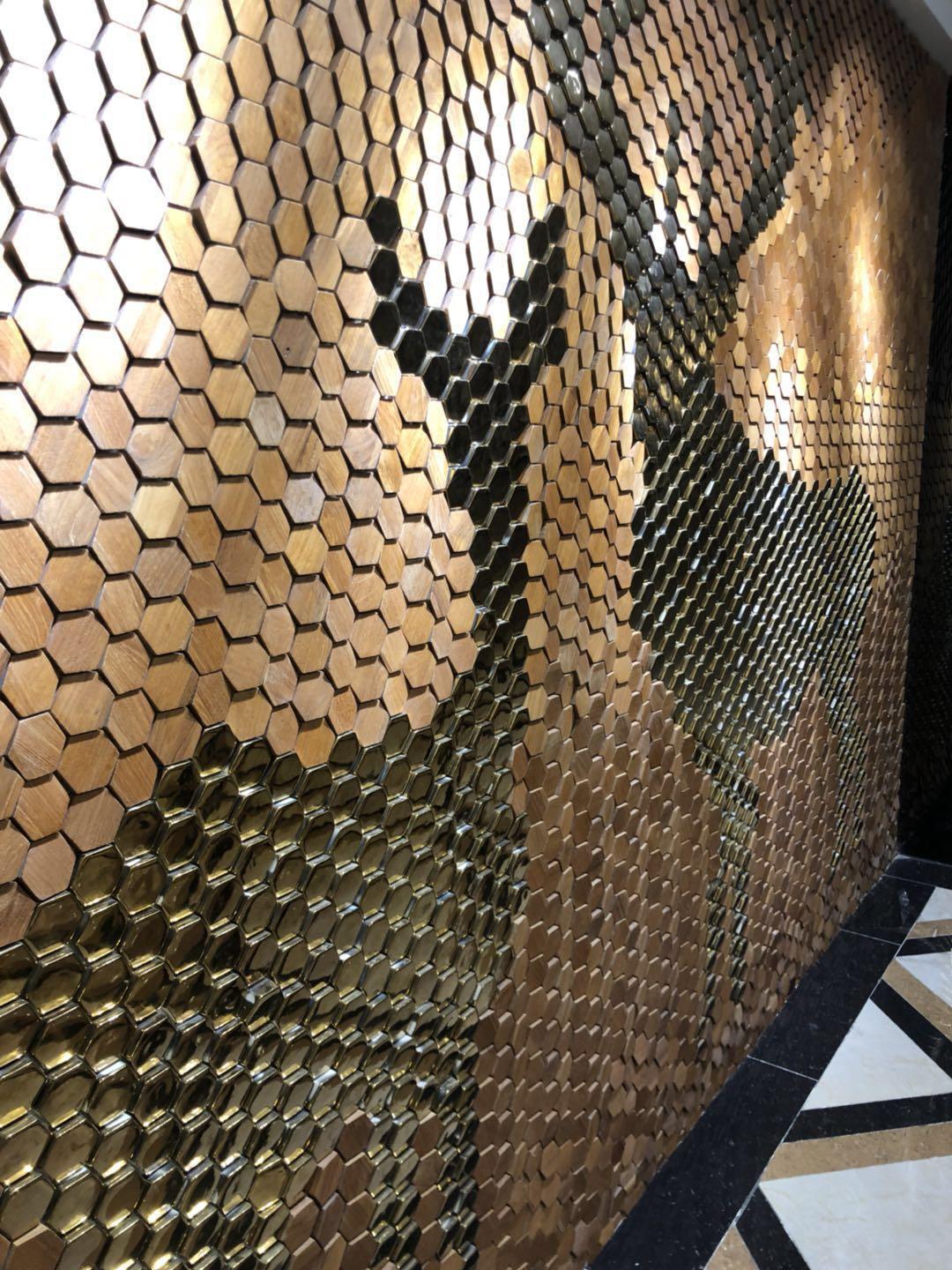
Hammered — or planished — surfaces are raised by repeated working of the metal. The look ranges from fine, regular dimpling to bold, irregular artisan relief, and the choice is a design decision with manufacturing consequences:
- Fine planishing produces a controlled, semi-reflective shimmer. It suits contemporary interiors and holds visual consistency across a long frame run.
- Bold hammerwork reads as bespoke and handcrafted. It tolerates — and celebrates — variation, which is why two frames from the same workshop will never be identical, and why approving a physical sample matters.
The craft discipline is consistency at the boundary: where hammered fields meet edges, corners and mounts, the texture must keep its rhythm rather than fade or crowd. On a four-sided frame, the corners are the test — the hammering has to carry around the joint so the eye travels the perimeter without interruption.
Fabricating the frame
A large feature mirror frame typically builds up from formed brass sections — rolled or bent profiles, or fabricated box sections for stiffness — joined at the corners. Hammered texture is worked into the faces, and the corner joints are blended into the pattern. That is one of hammered brass's quiet advantages over mirror-polished frames: the texture gives the blend zone somewhere to go. A welded corner in a hammered field is re-textured into continuity, where the same corner in a mirror field must be polished back to optical perfection (the discipline described in seamless welded corners).
Texture is applied before final finishing; on brass, the sequence of forming, joining, hammering, finishing and sealing determines how the surface will age. After texturing, the surface is cleaned and finished to the specified level: brushed highlights on the hammer crowns, or an overall satin, antique or polished treatment.
Finishes and patina
Brass is a living metal: it darkens and patinates with time and touch. For mirror frames, the practical finish routes are:
- Sealed natural brass — the metal's own warm colour, stabilised with a protective clear coat so patina develops slowly and evenly.
- Antiqued or rubbed-back finishes — a chemically darkened surface relieved on the hammer crowns, giving depth and an immediate lived-in character.
- PVD gold-family tones — for projects that need the warmth of brass with stronger colour stability over years of handling, PVD offers champagne and gold shades on the textured surface with the batch consistency covered in PVD batch acceptance and sampling.
Which route to choose depends on the interior's maintenance philosophy: hotel and retail projects generally prefer stabilised finishes; private residences more often welcome natural patina.
Engineering a large frame
A feature mirror of two or three metres is heavy glass in a frame that must stay dead flat and square. The engineering behind the aesthetic:
- Frame stiffness. Wide frames build as box or reinforced sections, not single sheet, so the perimeter does not twist.
- Glass retention and backing. The frame carries the mirror on a proper backing structure with mechanical — not adhesive-only — retention, and a wall-mounting system rated for the combined weight.
- Delivery in sections where necessary. Very large frames are built as coded sections that join on site with aligned internals, so the joint is a structural continuation rather than a visible scar.
What to specify
Before ordering a hammered brass frame package:
- The sample. One physical sample in the exact texture scale, corner treatment and finish — approved before production.
- The texture direction and coverage — full perimeter, face only, or bordered fields.
- Finish and patina policy — sealed, antiqued or PVD, and expectations for aging.
- Glass and mounting responsibility — who supplies the mirror, who engineers the mounting, and the weight basis for both.
Where these frames live
Hammered brass frames suit hotel lobbies and suites, flagship retail, fine dining rooms and signature residences — interiors where the brief calls for craft presence rather than industrial precision. The same texture language extends to console surrounds, wall panels and decorative objects, so a project can carry one hammered vocabulary across several elements.
If your project calls for hand-hammered brass feature mirrors or hammered metalwork in other forms, discuss your project with KingDeco — send us your design drawings for a technical review and quotation.