Sep 19, 2026Guide
SS304 vs SS316: Specifying Stainless Steel for Architectural Projects
When SS304 is enough, when SS316 is worth the premium, and how the decision interacts with finish and location.

The practical difference
SS316 adds molybdenum to the alloy, which improves corrosion resistance — especially against chlorides. SS304 is the standard architectural grade that performs well in most interior environments. The premium for 316 is real, so the question is environmental, not hierarchical.
Where SS304 is the right call
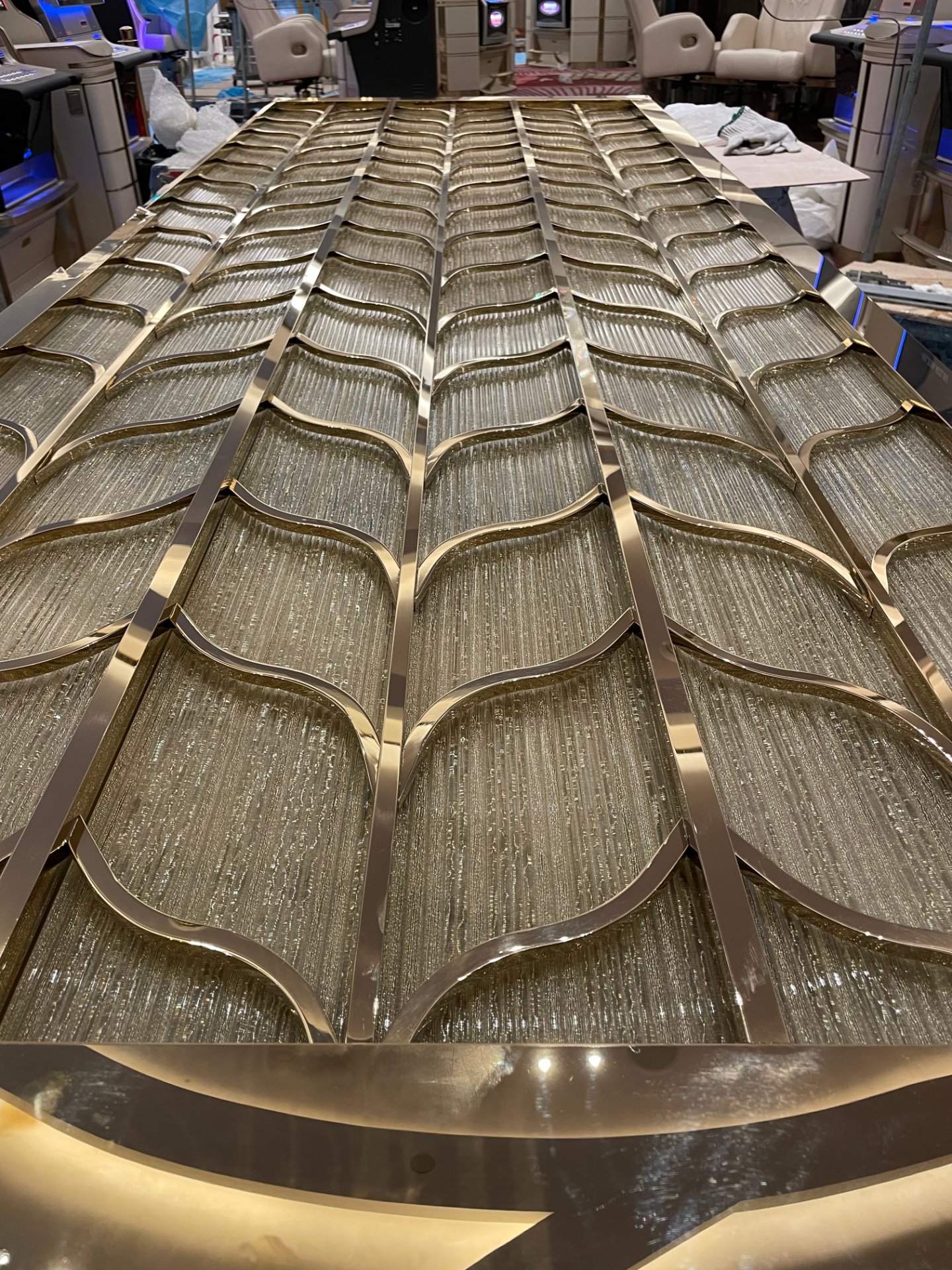
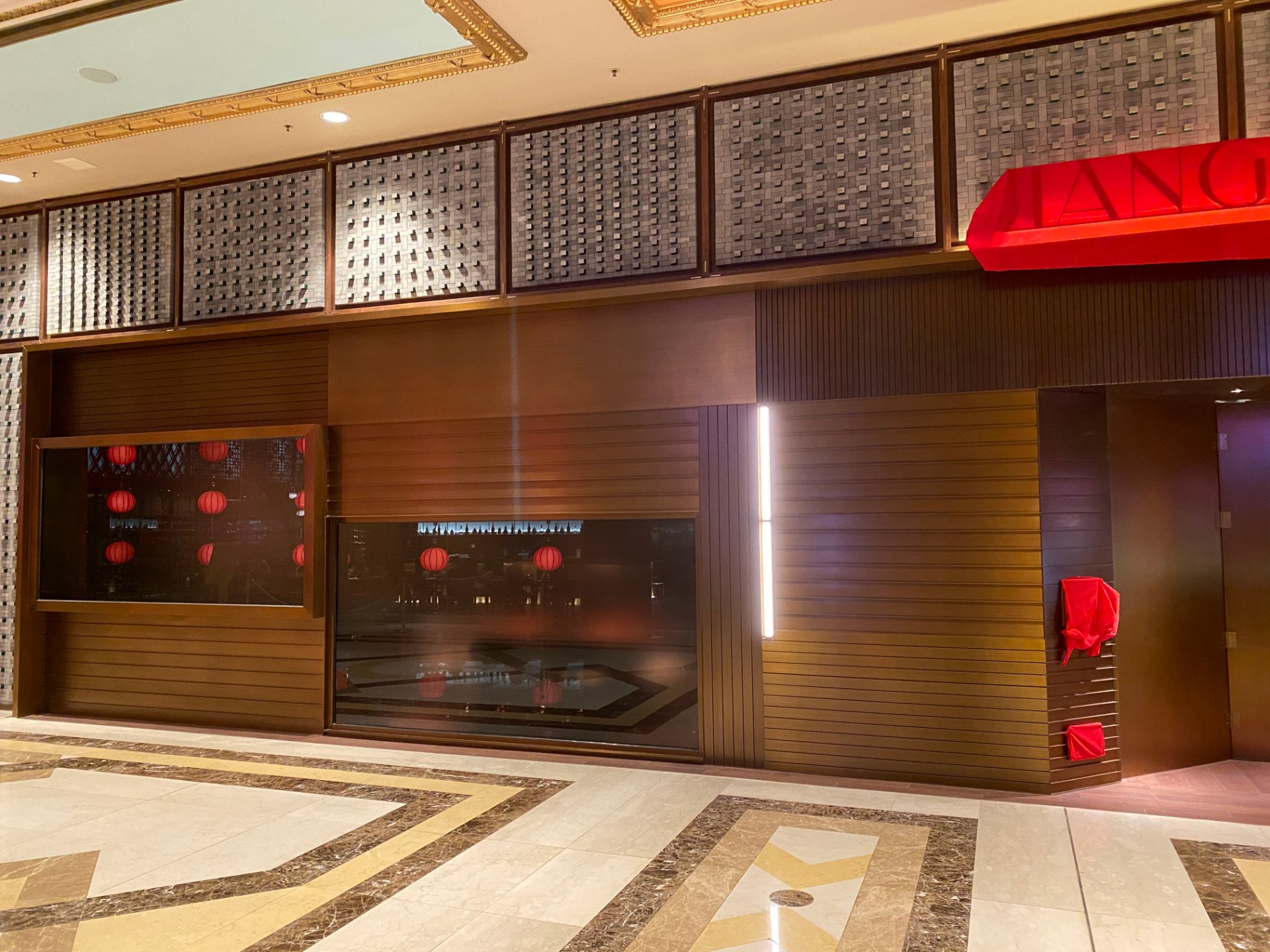
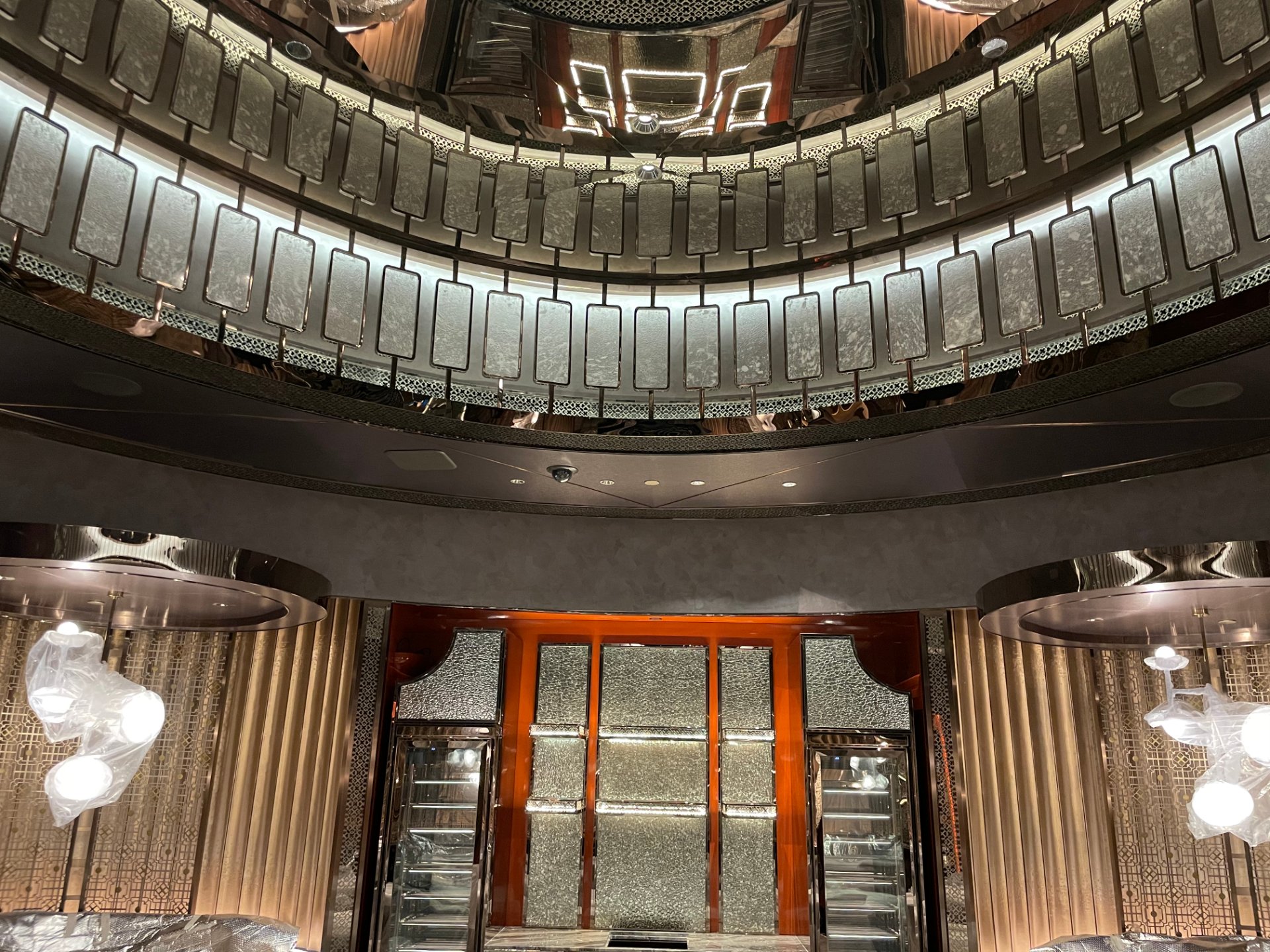
Interior screens, wall cladding, ceilings, railings and trim in normal commercial interiors — lobbies, restaurants, offices, hotel floors away from the coast. With a sound finish (hairline with anti-fingerprint coating, or PVD), SS304 gives years of stable service.
Where SS316 earns its premium
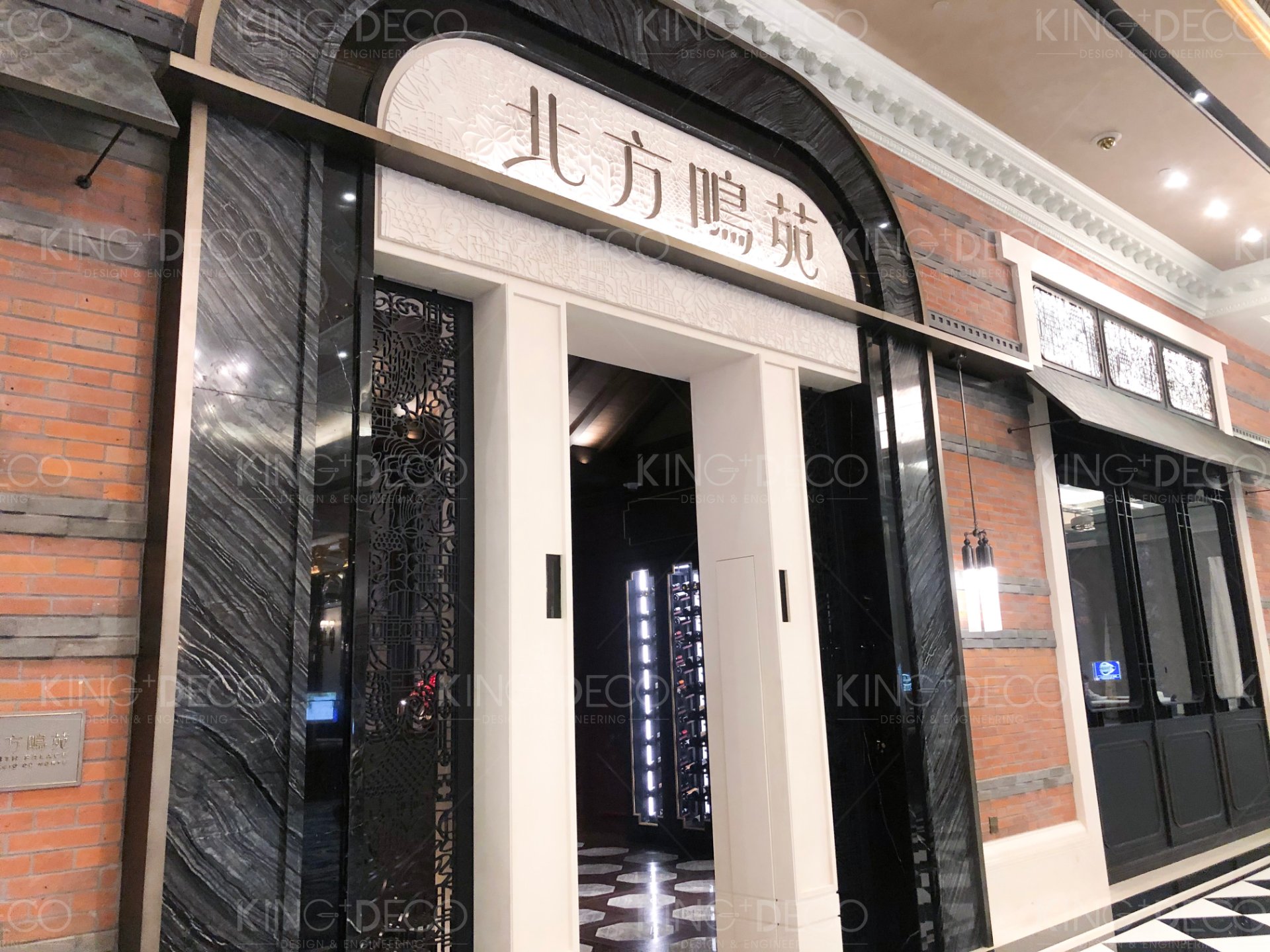
Exterior features and facades, coastal projects within reach of salt air, pool and spa environments, and anywhere wash-down or de-icing salt reaches the metal. Entrance surrounds and exterior canopies in coastal cities belong in 316 — their finishes and drainage detailing matter as much as the grade.
Finish and detailing complete the decision
Grade alone does not guarantee appearance. Exterior panels need drainage paths, avoiding crevice traps, and finish selection that weathers gracefully; interior high-touch surfaces need AFP coating. A well-detailed SS304 package outperforms a poorly detailed SS316 one.
Working on a specification?
KingDeco fabricates in both grades and advises grade-by-location at design review. Send your drawings for a review with samples.