Guide
From Award to Handover: Managing a Custom Metalwork Package
A bespoke metalwork package passes through six stages between award and site handover. What happens at each one, where projects lose time, and what to expect from a manufacturing partner.
The package as a programme, not a product
A custom metalwork package rarely fails on manufacturing alone. It fails on the seams: a drawing approval that slips, a material certificate that surfaces late, a finish batch that gets compared with the reference only after installation. Managing a package from award to handover means knowing what each stage owes the next one.
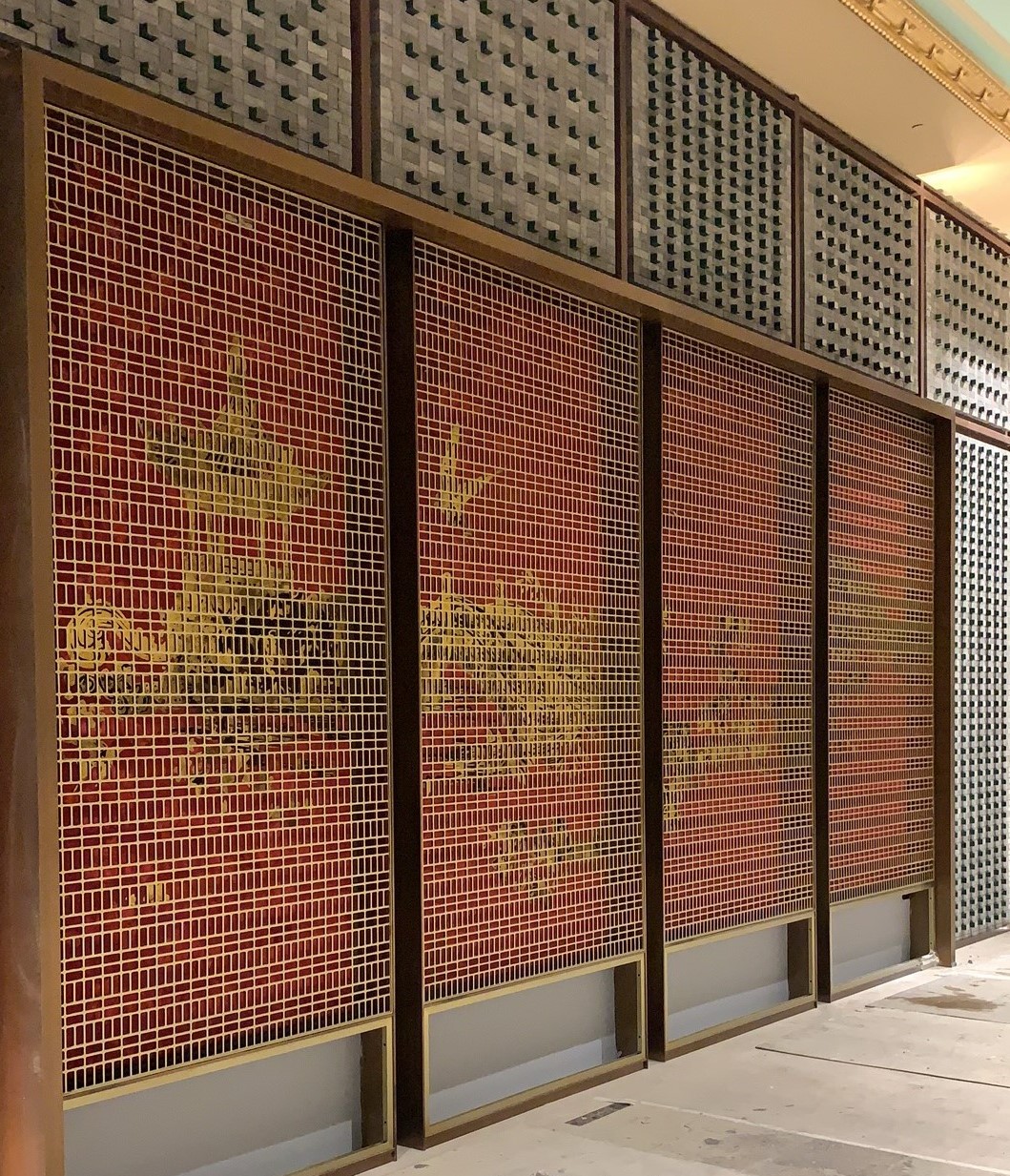
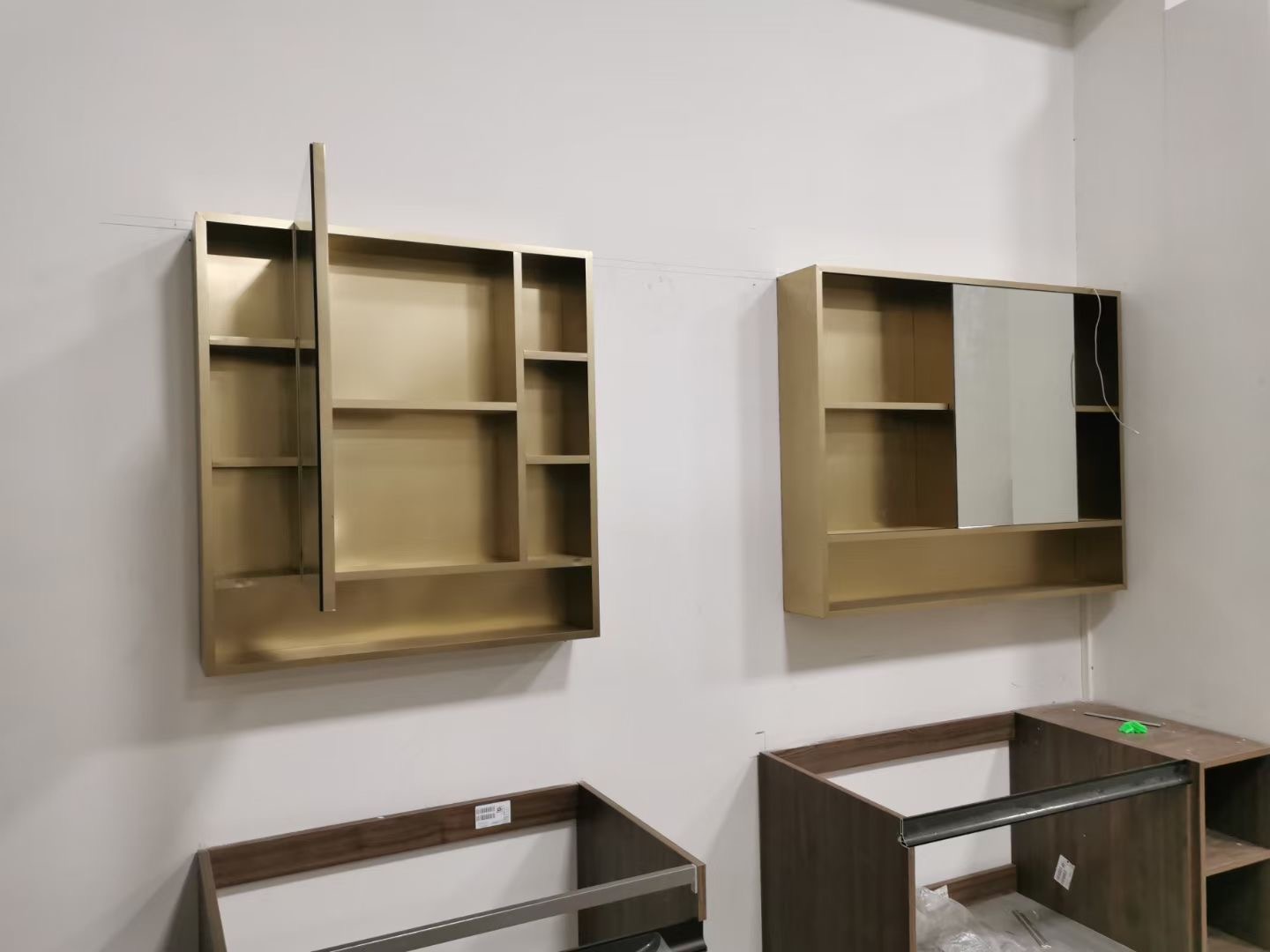
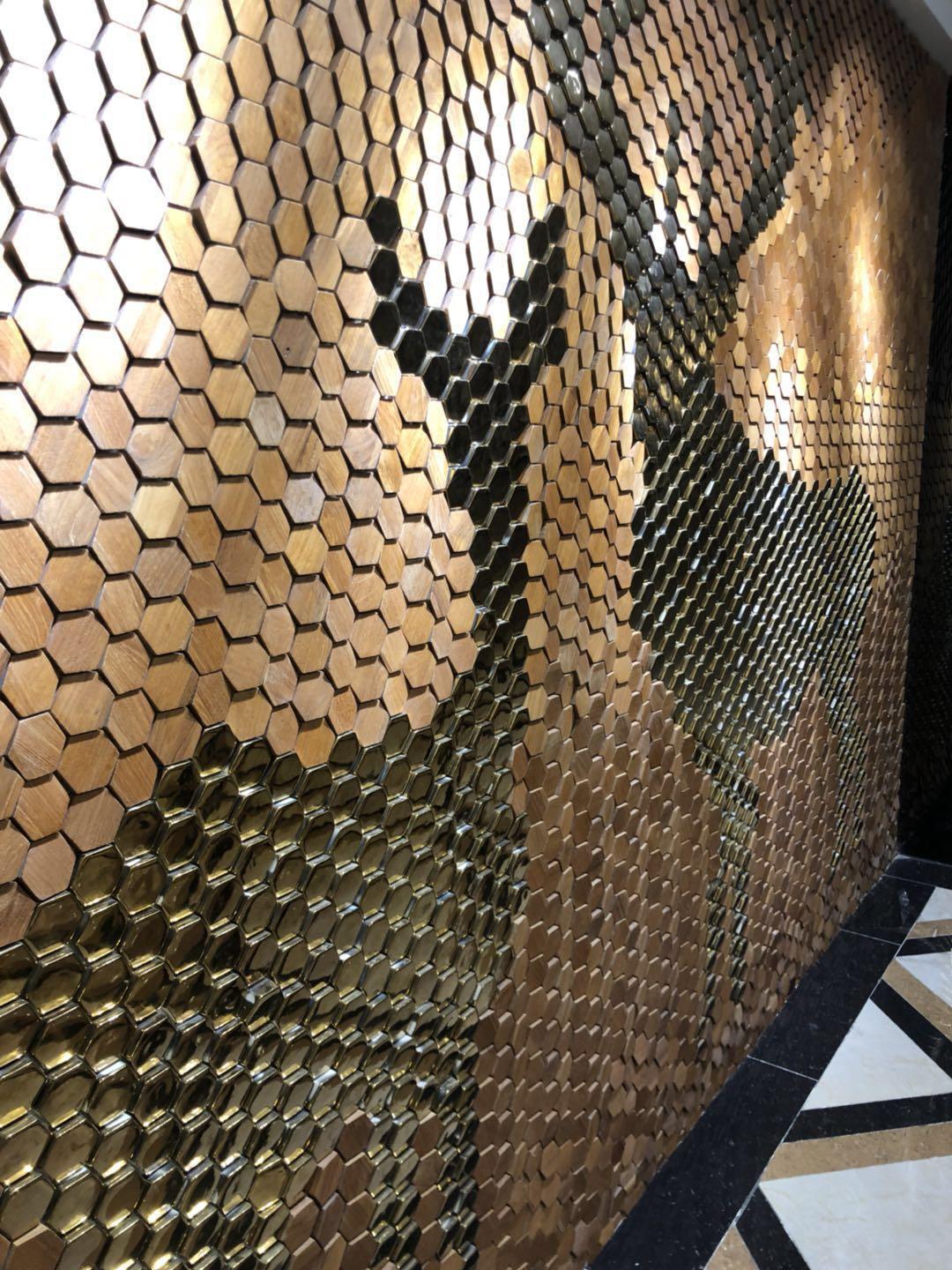
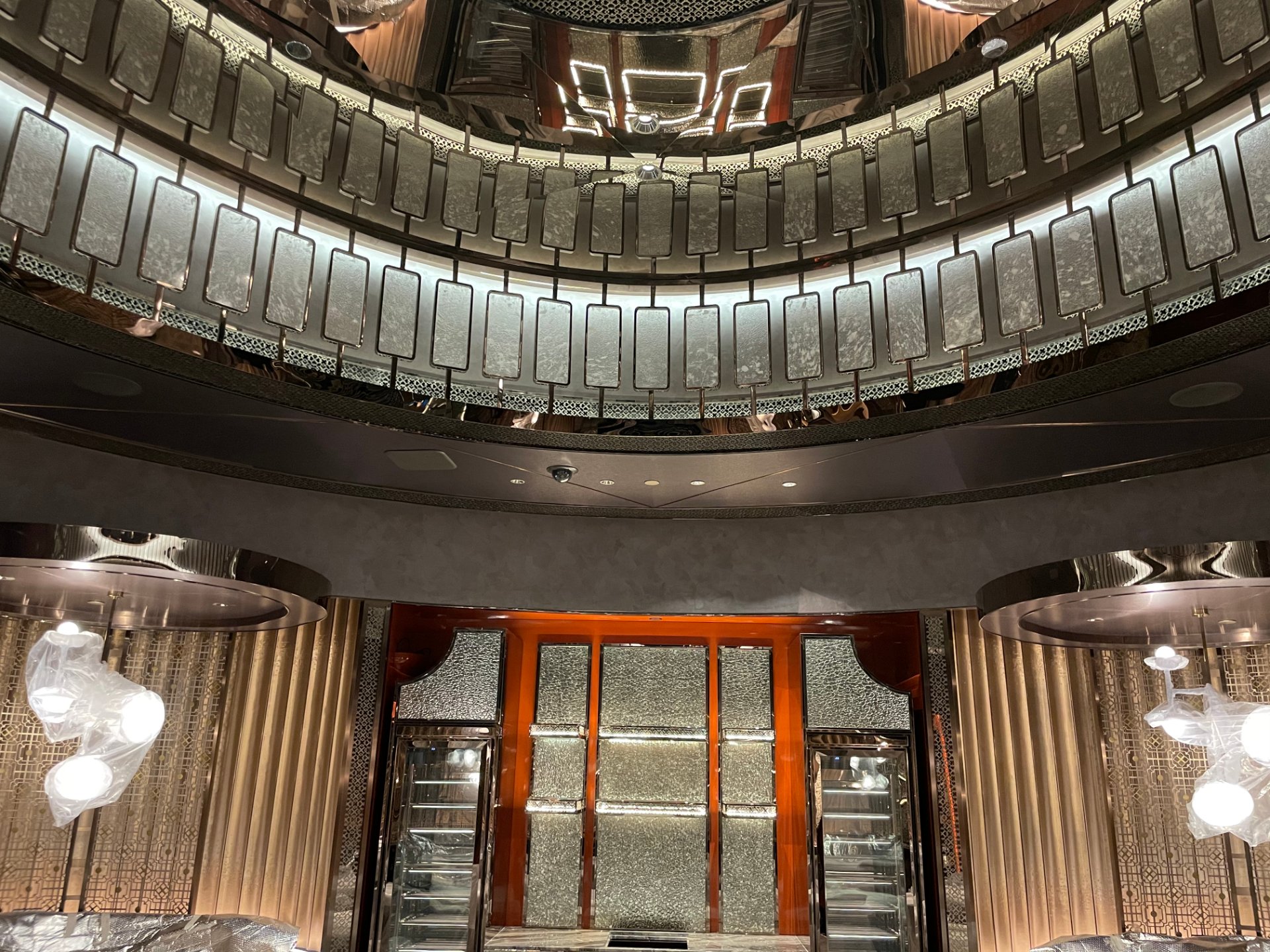
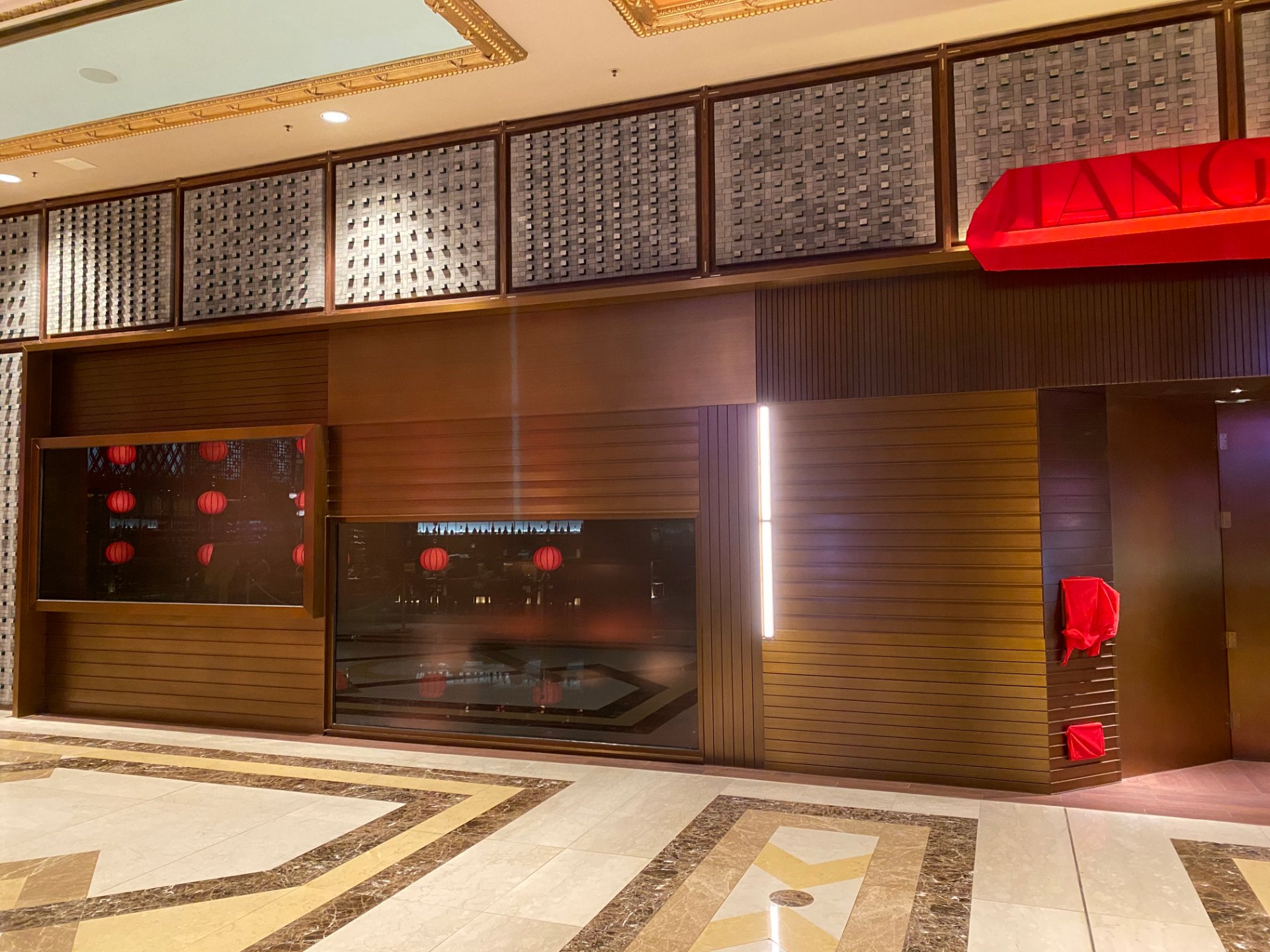
This article walks the stages as KingDeco runs them — the same workflow applied to hospitality packages such as the decorative metalwork for THE KARL LAGERFELD, MESA restaurant in Macau, documented here.
Stage 1 — Award and drawing development
Manufacturing starts from design intent, not from construction drawings. The fabricator develops shop drawings and, where geometry demands it, 3D models — working backwards from site conditions to fabrication-friendly component breakdowns. Drawing review with the design team and the fit-out contractor is a formal gate: every later stage keys off the approved revision.
This is also where interface decisions get made: where metal meets glass, stone, lighting or joinery, who holds the tolerance. Packages that skip this conversation export it to the site.
Stage 2 — Material intake
Material arrives against specification, and it gets checked before it enters production: mill certificates reviewed, surface condition inspected, and for PVD-finished work the plated colour reference boards compared. A finish problem caught at intake costs a sheet; caught after fabrication it costs a part; caught on site it costs a programme.
Stage 3 — Fabrication and assembly checking
Components are laser-cut, V-cut and bent, welded, ground and polished, with weld inspection along the way. The decisive discipline is what happens next: coded components are trial-assembled in the factory, and the interfaces — not just the parts — are checked. Where curved or geometrically complex work is involved, the assembly check is where fit is proven while it is still cheap to correct. The pre-assembly stage is covered in depth in Factory pre-assembly of architectural metal components.
Stage 4 — Finishing and batch acceptance
After assembly checking, components are dismantled for finishing. Textures are inspected — mirror, brushed or blasted — and PVD coating runs are compared against the approved samples before dispatch. On multi-finish packages, this is also where the design language holds or breaks: finish-to-finish consistency across batches is a deliberate process, not a lucky outcome. The acceptance protocol a contractor should apply at this stage is set out in PVD batch acceptance and sampling.
Stage 5 — Packing, labelling and shipment
Finished parts are protectively packed and labelled by installation sequence, so the site receives containers in build order and every carton declares its coded contents. For overseas projects, packing is engineered work in its own right — the failure modes and methods are covered in How large decorative metalwork is packed for overseas projects.
Stage 6 — Handover within the fit-out structure
KingDeco works within the project's interior fit-out delivery structure as a fabrication partner, and handover happens inside that structure: components arrive coded, checked and sequenced, with the documentation trail — drawings, batch records, inspection results — attached to part codes rather than to memory. Site installation is led by the fit-out contractor, with the fabrication side answering queries through the code system rather than through photographs and guesswork.
Where packages lose time
Across stages, four recurring leaks:
- Late drawing gates. Every week of drawing review compression returns as a multiple at fabrication.
- Unowned interfaces. Metal-to-glass and metal-to-stone junctions decided on site, by whoever arrives second.
- Finish checks deferred to installation. Batch comparison belongs at goods receipt, not at handover.
- Unsequenced packing. The cost surfaces as site handling time, where it is most expensive.
Each of these is a process question, which is why evaluating a fabricator's workflow matters as much as evaluating its workshop. The procurement view of that evaluation is covered in Sourcing custom architectural metalwork from China.
Running the package
If you are planning a multi-element metalwork package — screens, ceilings, displays, cladding in one coordinated delivery — and want a manufacturing partner with a defined stage-by-stage workflow, discuss your project with KingDeco — send us your drawings for a technical review and quotation.