Sep 19, 2026Guide
How to Budget Custom Architectural Metalwork
What actually drives the price of custom metalwork — and the design levers that control cost without losing the design.
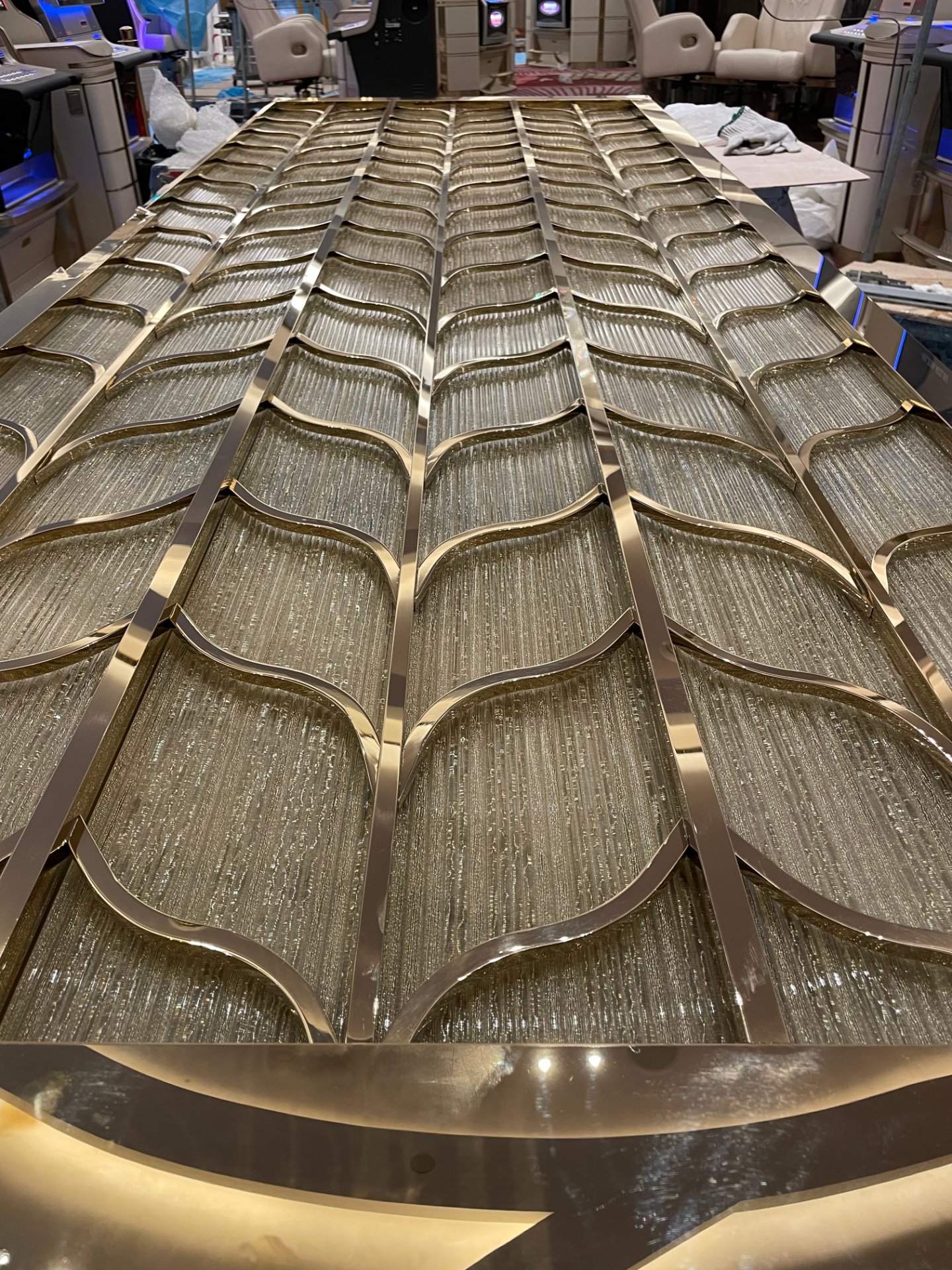
Price follows complexity, not just area
Two screens of the same size can differ several-fold in cost. The drivers: pattern density and cut length, number of unique components versus repeats, material thickness, finish stages (polishing time is labour), structural requirements, and assembly complexity. A clear budget conversation starts with these, not with a rate per square metre.
The finish is a line item worth understanding
Mirror polish costs multiples of hairline, because polishing is skilled labour measured in hours. PVD adds a coating stage that becomes efficient at volume. Antique and patina finishes are handwork. Choosing the finish family early — and knowing its cost behaviour — avoids the most common late-stage surprise.
Repeats are the biggest lever
Repeating a module across a project spreads engineering, set-up and approval costs across units. Designers who allow modular repetition in patterned work — with variation in placement rather than in the component itself — get dramatically better cost behaviour than pure one-offs.
What a good quotation shows you
A serious quotation traces the scope: drawings reviewed, assumptions on fixings and interfaces, finish specifications with sample references, packing scope, and exclusions that are honest rather than vague. If the quote only gives a number, the surprises are being saved for later.
Planning a package?
Send KingDeco your drawings and budget range — a feasibility review with options at different complexity levels is the fastest route to a workable number.