Oct 29, 2026Guide
Brass vs Bronze for Interior Metalwork: Cost, Patina and Maintenance Compared
Both are copper alloys with the warm tone designers love, but they patina differently, cost differently and suit different locations. A practical comparison for specifiers.
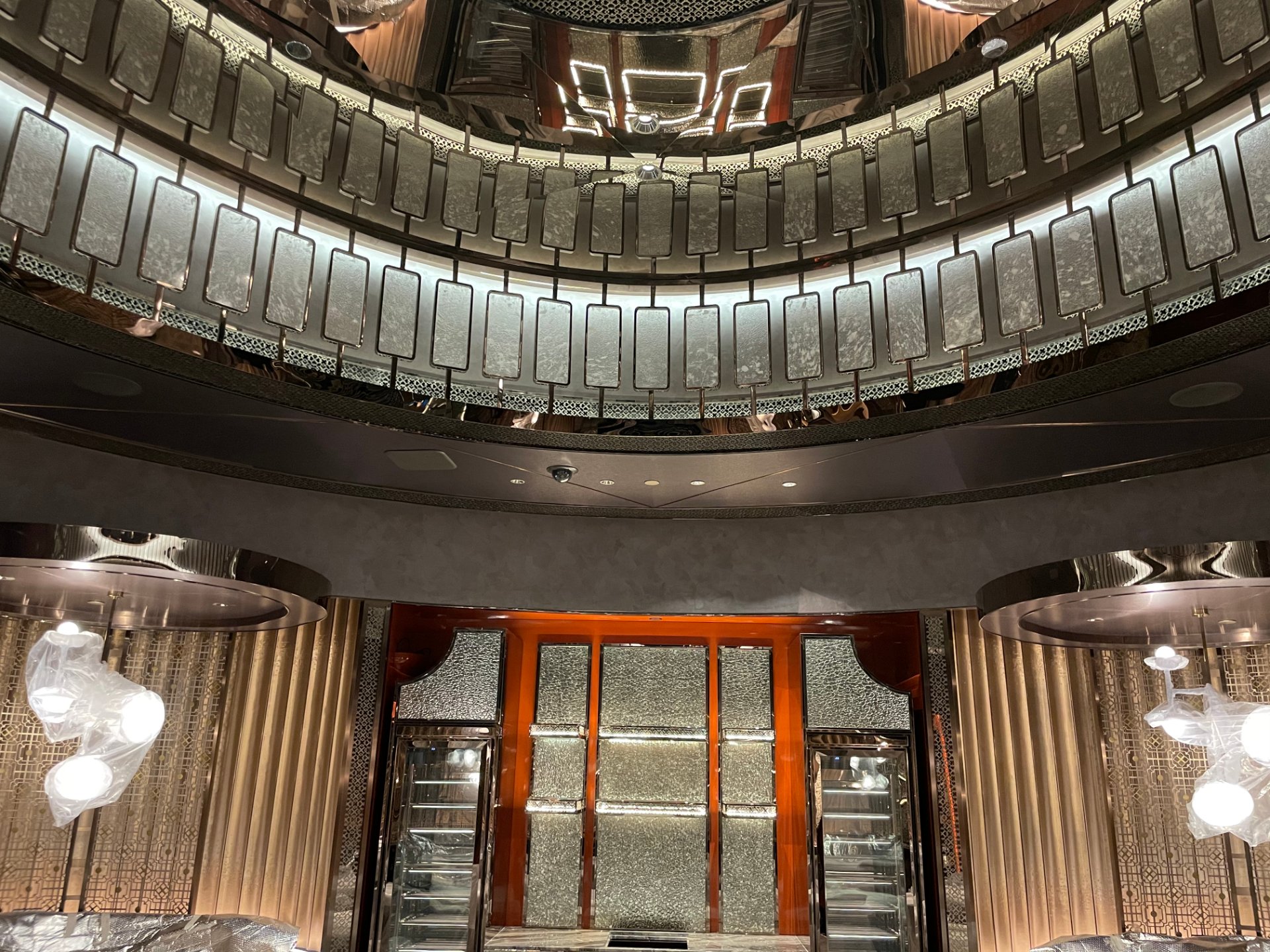
Brass and bronze are regularly swapped for each other on drawings, sometimes deliberately, sometimes by accident. They are both copper alloys, both develop a living patina, and both read as "warm metal" from three metres away. Up close, and over five years, they are different materials with different maintenance stories.
What They Actually Are
Brass is copper and zinc. H62 and CZ107 are the common architectural grades. It is golden, workable, and the standard for door hardware, trim, signage and decorative profiles.
Bronze is copper and tin (architectural bronze is technically a brass with manganese, but behaves like bronze in service). It is browner, harder, more expensive, and the traditional choice for doors, handrails and high-wear public hardware — think of the bronze doors that survive a century of hands.
Patina: Different Speeds, Different Characters
Both alloys oxidise. Uncoated brass moves from golden to warm brown within months and can develop darker mottling; bronze darkens more slowly and more evenly toward a deep chocolate-brown. Neither degrades structurally indoors — the patina is cosmetic, and some designers chase it deliberately.
If a stable tone is required, both accept lacquer coatings, and both are available with PVD finishes (PVD brass and PVD bronze tones on stainless are also a common substitute at lower maintenance). The honest question for the client is simple: do you want the tone to stay exactly as approved, or are you comfortable with it maturing?
Cost and Fabrication
Bronze typically runs 30–60% above brass in material cost depending on form and market. Fabrication is comparable — both cut, form and weld well — but bronze's hardness wears tooling slightly faster, which shows up in machining-heavy details.
For budgets, the practical pattern: brass for profiles, trims and signage where the golden tone is the point; bronze where the darker tone or the heritage association justifies the premium — entrance doors, handrails, lift surrounds.
Maintenance in Practice
- Lacquered brass/bronze: wash with mild soap, avoid abrasives; the lacquer lasts years indoors, then either re-lacquer or let it transition to patina.
- Living finish (uncoated): no maintenance to speak of — the patina is the finish. Fingerprints on high-touch areas even out with use.
- PVD on stainless (substitute route): near-zero maintenance, stable tone, but it is a different material honestly labelled as a substitute, not as brass or bronze.
The Five-Line Decision
Choose brass for golden tones, decorative profiles, signage and tighter budgets. Choose bronze for high-wear landmarks, darker brown tones and projects where the material story matters. Choose PVD stainless when tone stability and near-zero maintenance outrank material authenticity.
For mixed packages, all three coexist cleanly when the tone transition is detailed deliberately. Send your drawings and the locations list — marking where each alloy earns its cost is a quick exercise that usually saves more than it costs.