Guide
Black Chrome Appearance: PVD Coating vs Electroplating for Architectural Metalwork
Dark mirror finishes read as luxury — but the route to them matters. How PVD vacuum coating and electroplating differ in colour character, durability, substrates and rework for interior metalwork.
The dark finish, two roads
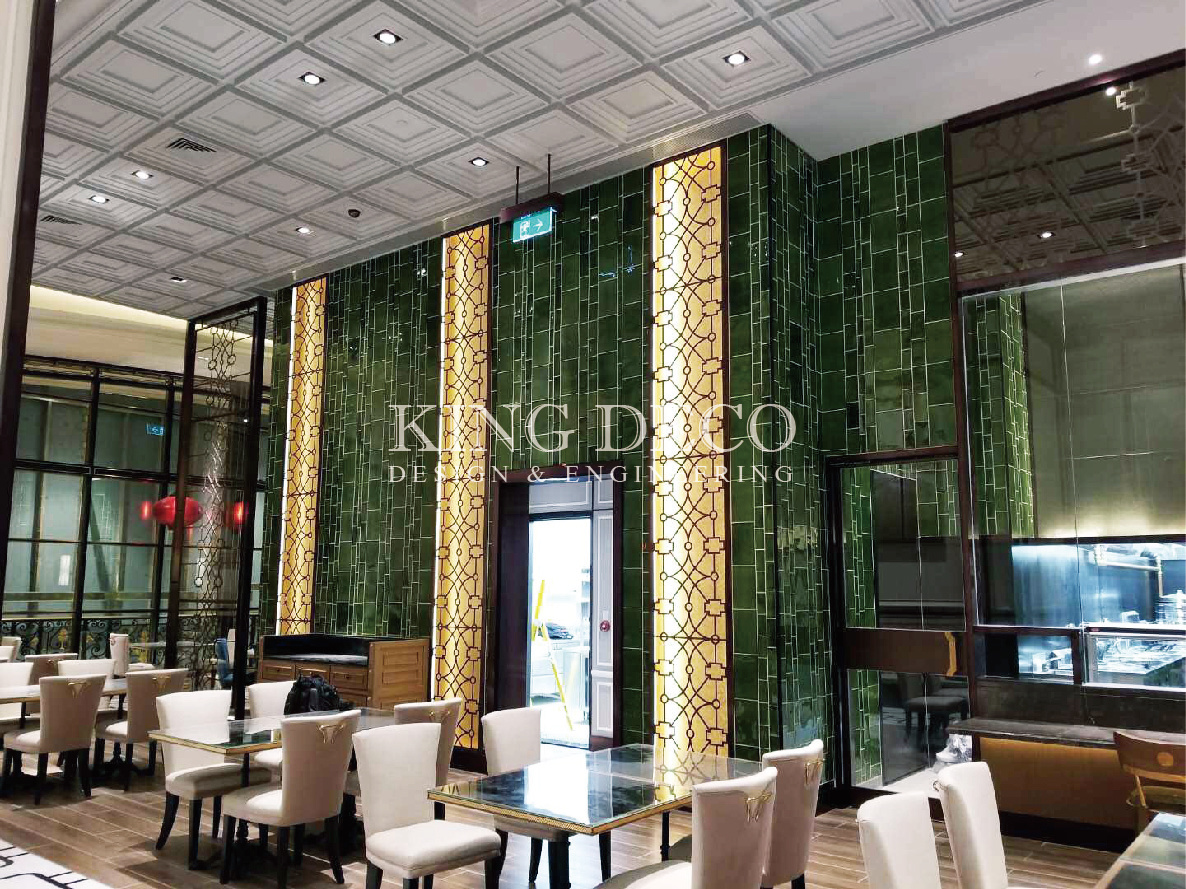
Dark metallic finishes — black chrome, smoked gold, gunmetal — have become a signature of luxury hospitality and retail interiors. Designers specify the look; the manufacturing decision underneath is between two very different processes: PVD coating (physical vapour deposition, a vacuum process) and electroplating (chrome or black chrome deposited from a chemical bath).
Both can produce a dark reflective surface. They differ in almost everything else that matters to an architectural package: what substrates they suit, how the colour behaves over area and time, how they age, and what happens at rework. This article compares the two routes for decorative interior metalwork, from a fabrication workshop's point of view.
How each process works
Electroplating deposits metal from solution onto a conductive part under electric current. Decorative chrome plating is typically a multi-layer stack — copper, then nickel, then a thin chromium top layer. Black chrome variants adjust the bath chemistry to produce a dark, semi-reflective deposit. The process is mature, widely available, and the default route for sanitary hardware and fittings.
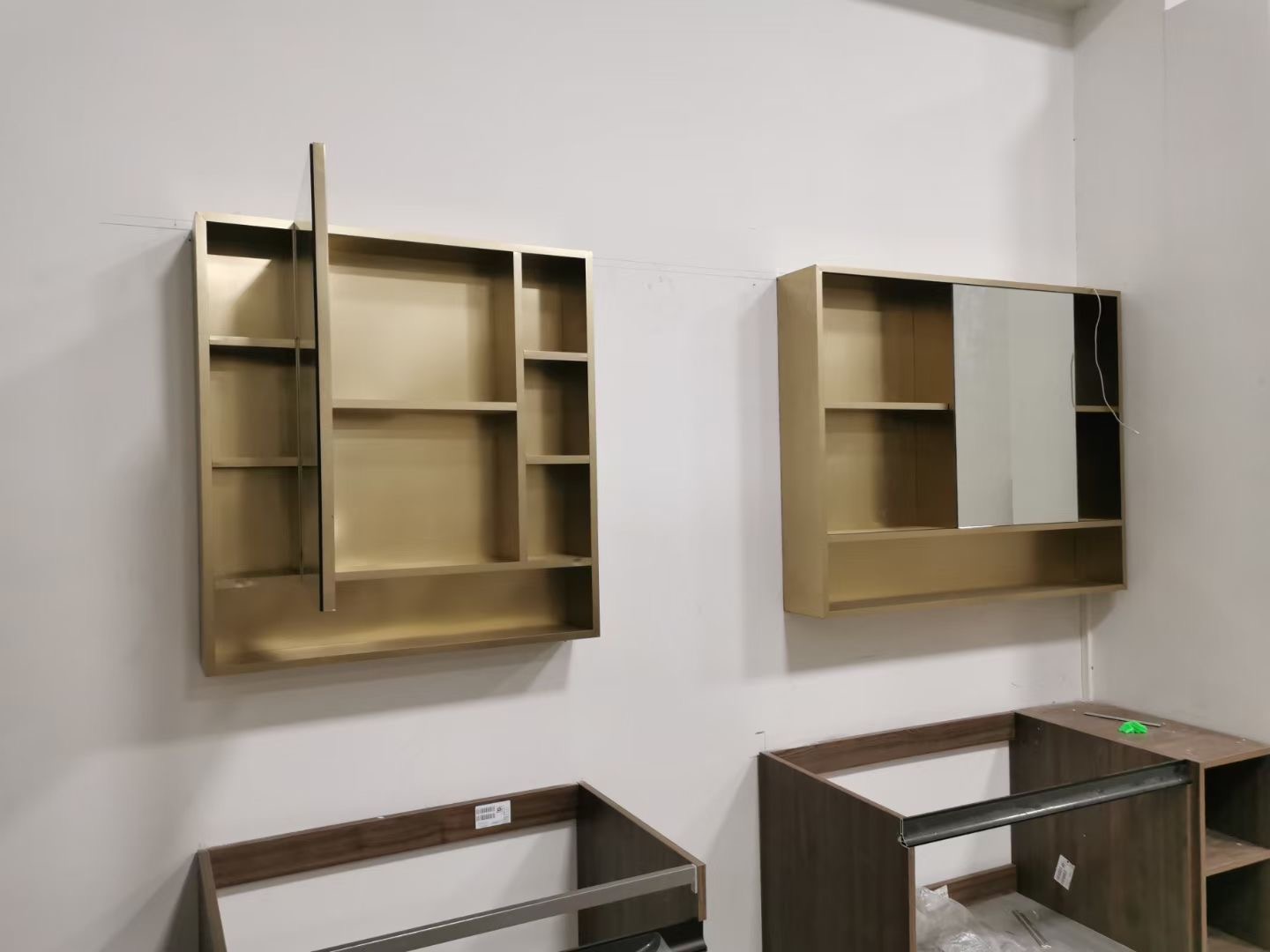
PVD coating happens in a vacuum chamber: metal species are vaporised and condense on the part as a thin, hard ceramic-metallic film — typically nitrides or carbides of titanium, zirconium or chromium. Adjusting process gases and parameters produces a family of colours: gold and champagne tones, graphite and black. On stainless steel architectural components, PVD is often applied directly to the polished or brushed substrate.
Colour character
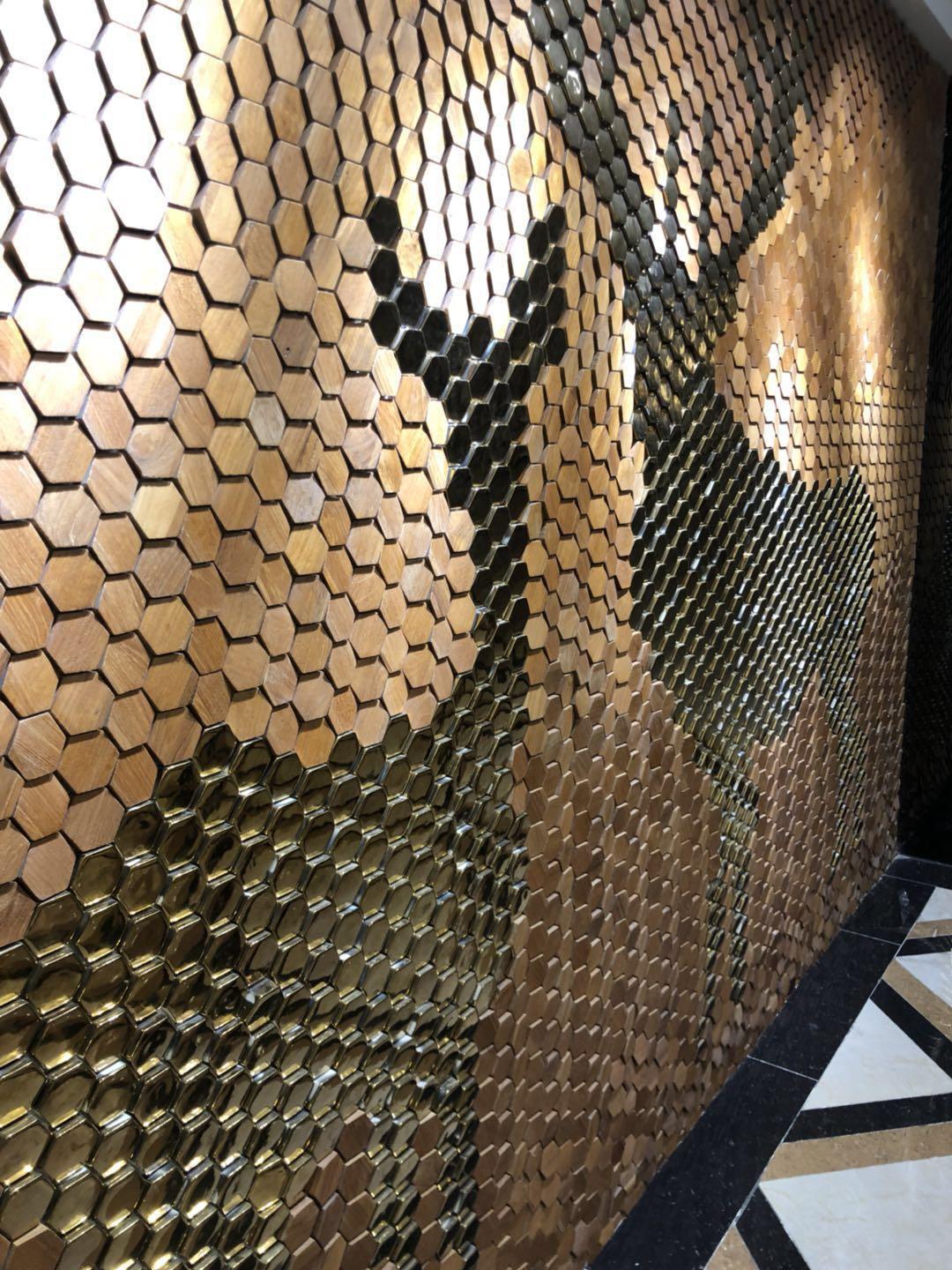
The two processes do not make the same black. PVD black films are thin and partially transparent to the substrate's texture, so the finish keeps the underlying polish or brushing — mirror black PVD over a polished surface stays genuinely mirror; brushed black PVD keeps the directional grain. The colour sits with the metal.
Electroplated chrome layers are thicker and more strongly self-defining: the deposit establishes its own surface. Black chrome plating tends toward a greyer, softer reflectance, and its appearance depends on the plating stack beneath.
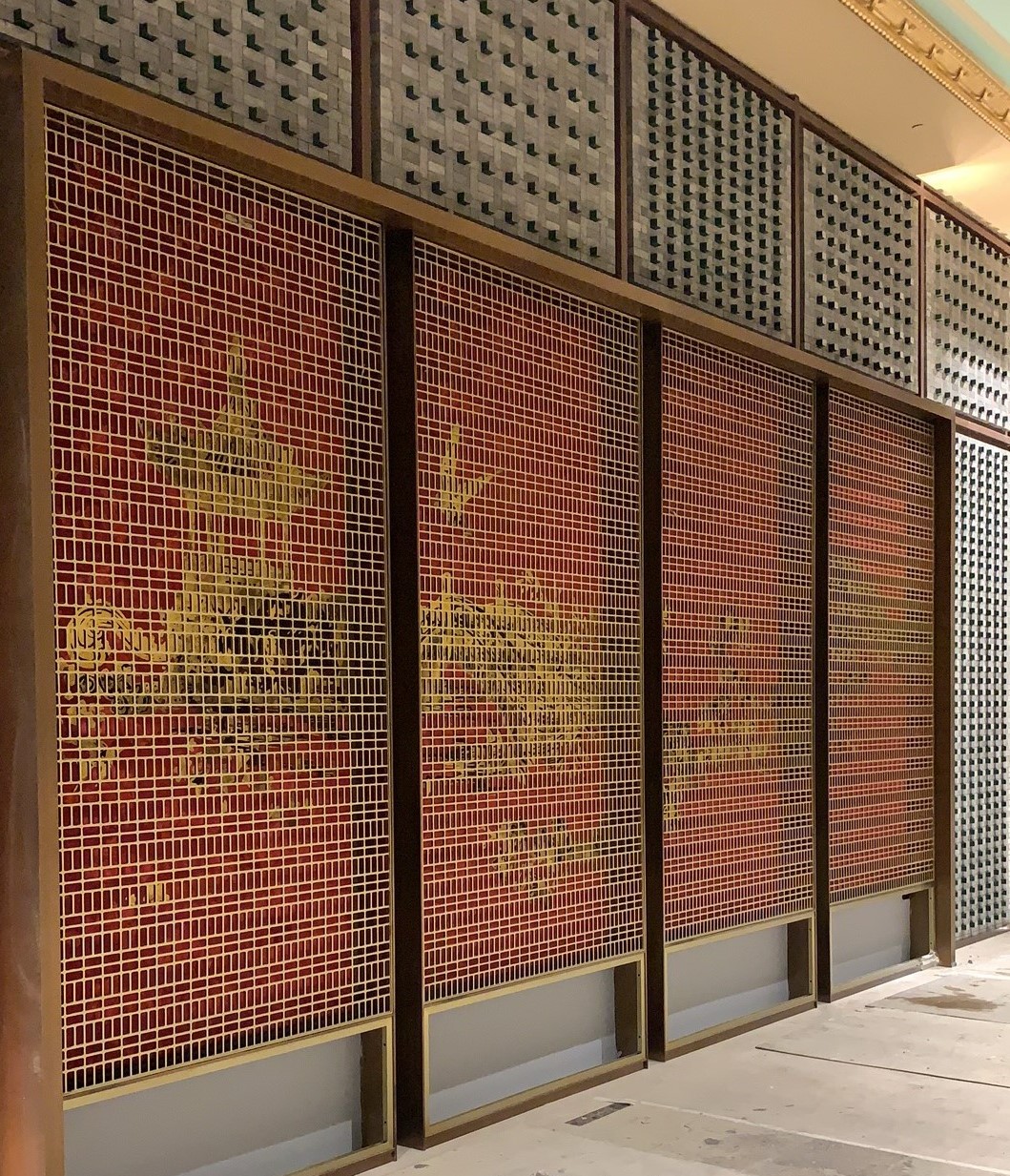
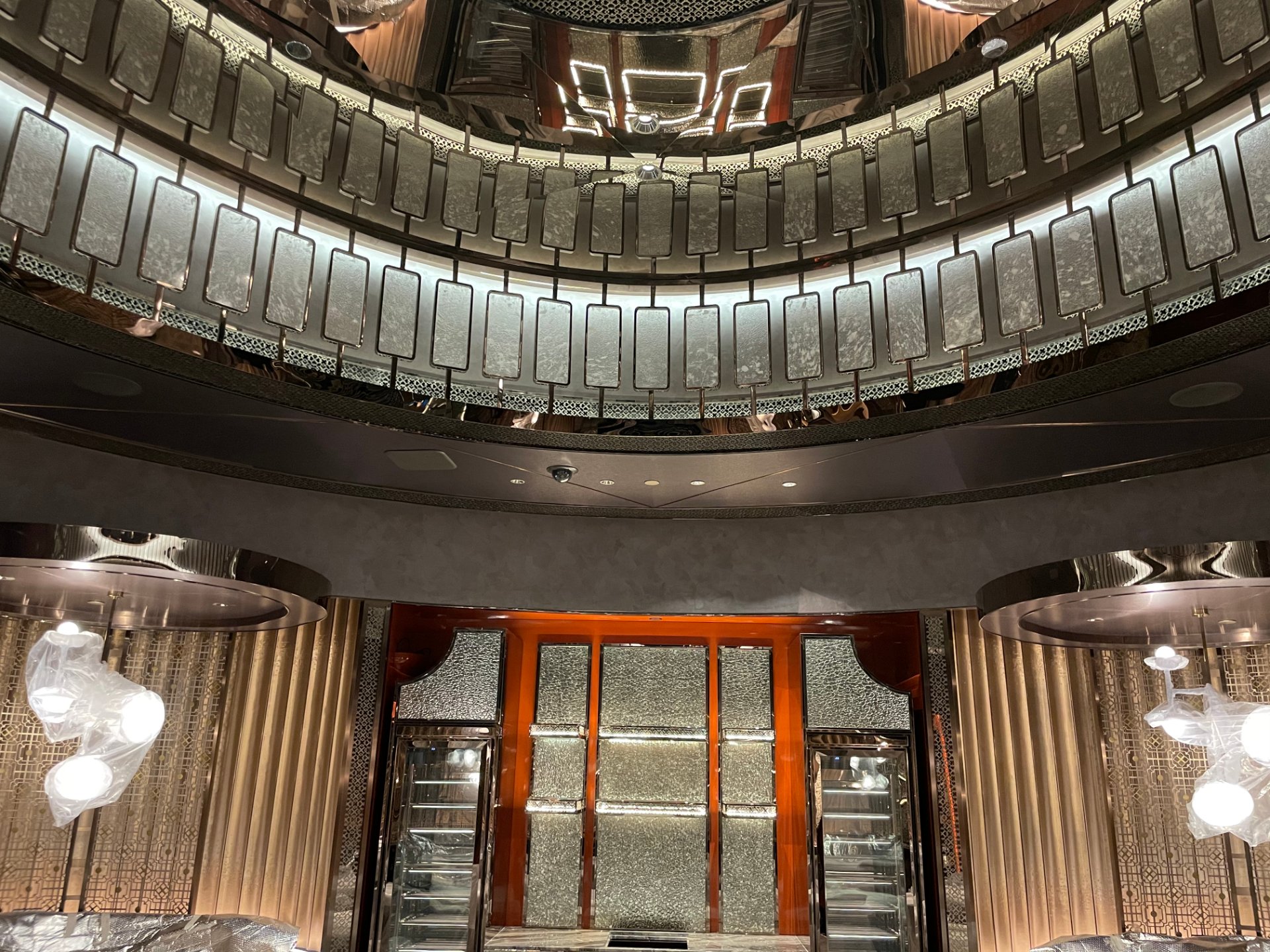
For interior packages where metalwork must coordinate with adjacent stainless or PVD-finished elements, this difference is practical: a PVD palette can hold one visual language across mirror, brushed and textured surfaces, which is how multi-finish restaurant and hotel packages keep black and gold reading as one design. That coordination discipline in practice is described in manufacturing decorative metalwork for luxury hospitality.
Substrate and part geometry
Electroplating throws onto conductive surfaces, but current density varies with geometry: deep recesses, box sections and long internal edges plate differently from exposed faces. Complex architectural fabrications — welded frames, cages, perforated and formed panels — need careful racking and fixturing, and some interior surfaces simply cannot be plated well. Parts must also tolerate the chemistry.
PVD coats line-of-sight from the vaporisation source inside the chamber: rotation and fixturing manage shading, and part size is bounded by chamber dimensions. Within those limits, geometry is far less sensitive than in a plating bath, and stainless substrates need no under-stack.
Durability and aging
PVD films are hard and adherent, with strong abrasion and scratch performance relative to their thickness — which is why PVD is common on hardware and decorative surfaces in high-touch hospitality settings. On mirror-finish work, an anti-fingerprint topcoat is typically applied over the PVD to manage handling marks; the specification side of that is covered in anti-fingerprint coating on mirror stainless.
Electroplated decorative chrome is proven in service, but its failure mode is corrosion-driven: once the stack is breached — at an edge, a weld, a pore — under-film corrosion can lift the plating. On interior architectural work kept dry, this is rarely decisive; on exterior or high-wear applications it becomes a maintenance question.
Environment and compliance
Plating baths carry process chemistry and effluent treatment obligations, and decorative chrome plating faces tightening regulation in several markets. PVD is a vacuum process without wet chemistry. For projects with sustainability documentation requirements, the process route itself can be a screening criterion.
Rework and repair
This is where package management gets concrete. PVD parts can generally be stripped and re-coated — a batch that drifts off colour goes back through the chamber. That rework loop is the backbone of batch acceptance on large PVD orders, as covered in PVD batch acceptance and sampling. Re-plating a fabricated component is usually a heavier intervention: stripping the stack, re-preparing the base surface and re-plating, with geometry limits on what can be redone well.
Choosing per element, not per project
In practice, luxury interiors use both: electroplated black chrome where the design language wants its particular greyed reflectance — often on fittings and smaller hardware — and PVD where the package needs black or dark finishes to match stainless fabrications, coordinate across textures, and survive hospitality-level handling. The specification question is not which process is better, but which elements of the package each process suits, and who is responsible for the interface where they meet.
Specifying without ambiguity
Whichever route a design intends, the specification should name: the process route, the reference sample (a physical signed-off piece, not a rendering), the acceptable colour range across batches, and the viewing conditions for acceptance. Dark finishes are the least forgiving of drift — a batch that reads slightly warm in one light and slightly cool in another becomes a visible patchwork across a lobby.
If your project involves dark-finish custom metalwork and you want a fabricator who runs PVD in-house with a defined batch-control and acceptance discipline, discuss your project with KingDeco — send us your drawings and finish schedule for a technical review and quotation.