Guide
How to Approve Custom Architectural Metal Finishes: Colour, Sheen, Texture and Workmanship
A practical guide to approving architectural metal finishes, documenting reference samples, and aligning colour, sheen, texture and fabrication quality.

A finish name is only the beginning
“Brushed brass,” “satin stainless steel” and “black vibration finish” can help communicate a design direction. They rarely provide enough information to release a custom metalwork package into production.
Two samples carrying the same description may differ in warmth, reflectivity, texture or the visibility of fabrication marks. Those differences become especially important when metal components sit beside timber, stone, glass or other metal surfaces.
For architects, millwork contractors and procurement teams, finish approval should establish a shared physical reference. It should also explain which characteristics have been approved, where that approval applies, and how the reference will be used during production.
A useful approval process addresses four related questions:
• Does the colour suit the design? • Is the sheen appropriate? • Is the surface texture acceptable? • Does the fabricated component meet the expected workmanship standard?
Treating these as separate decisions makes the process easier to manage.
Separate colour, sheen and texture
A client may describe a sample as “too yellow” while another reviewer says it is “too shiny.” These comments point to different issues and may require different adjustments.
Colour concerns the appearance of the finish: its warmth, coolness and overall tone.
Sheen concerns how the surface reflects light. A finish can have an acceptable colour while still appearing too reflective in the intended setting.
Texture concerns the visible surface pattern, including brushing direction, vibration marks and the consistency of that pattern across the component. For stainless steel, the visual differences between the common treatments are compared in our guide to hairline, mirror and vibration finishes.
The review should record these characteristics separately. “Approved with comments” is difficult to act on if the comments do not identify what must change.
A more useful response might state that the colour is accepted, the sheen requires adjustment, and the texture should match a particular retained sample.
Use both a finish sample and a fabrication mock-up
A flat sample is useful for assessing a surface treatment. It does not show every feature of a finished component.
An architectural metal assembly may include folded edges, welded corners, curved transitions, recessed areas or junctions with other materials. These features can affect the appearance of the finished work.
For this reason, consider two types of reference:
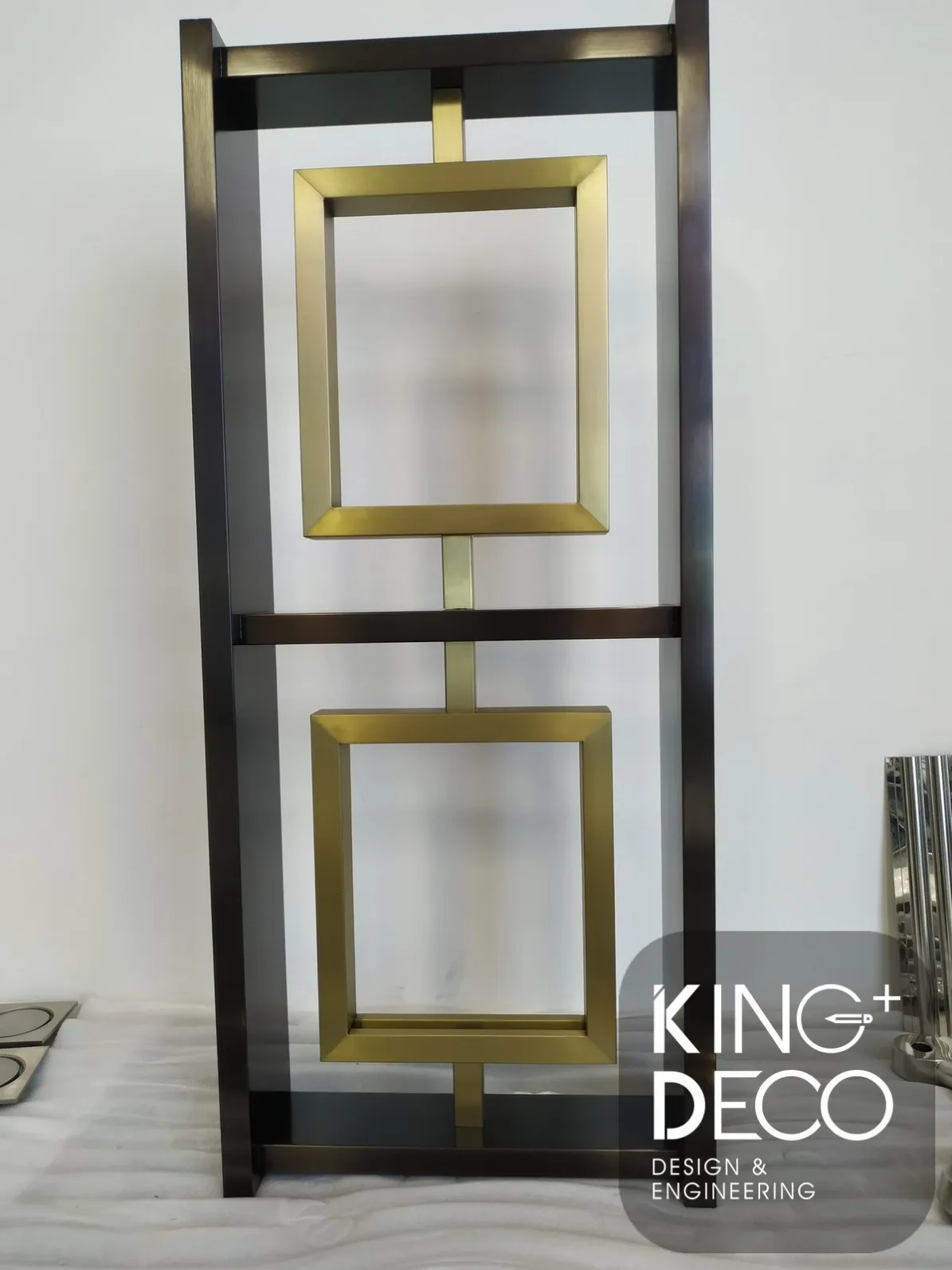
• The finish sample establishes the approved colour, sheen and texture. • The fabrication mock-up establishes expectations for geometry, joints, corners, edge treatment and overall workmanship.
For example, a drawer-front mock-up can reveal details that a flat finish sample cannot: the appearance of the returns, the corner treatment, the alignment of visible faces and the relationship between the metal skin and its support.
The appropriate mock-up should represent the project’s difficult details, rather than simply its easiest component.
Agree on the viewing conditions
Sample reviews become less useful when each participant assesses the finish under unrelated conditions.
Where practical, compare samples together under consistent lighting. Review them at agreed distances and from the angles that matter for the installation. If the finished metal will sit beside timber or stone, include representative samples of those materials.
Photographs are useful for discussion and record keeping. Camera exposure, white balance and screen settings can change the appearance of a finish, so photographs should not silently replace an agreed physical reference.
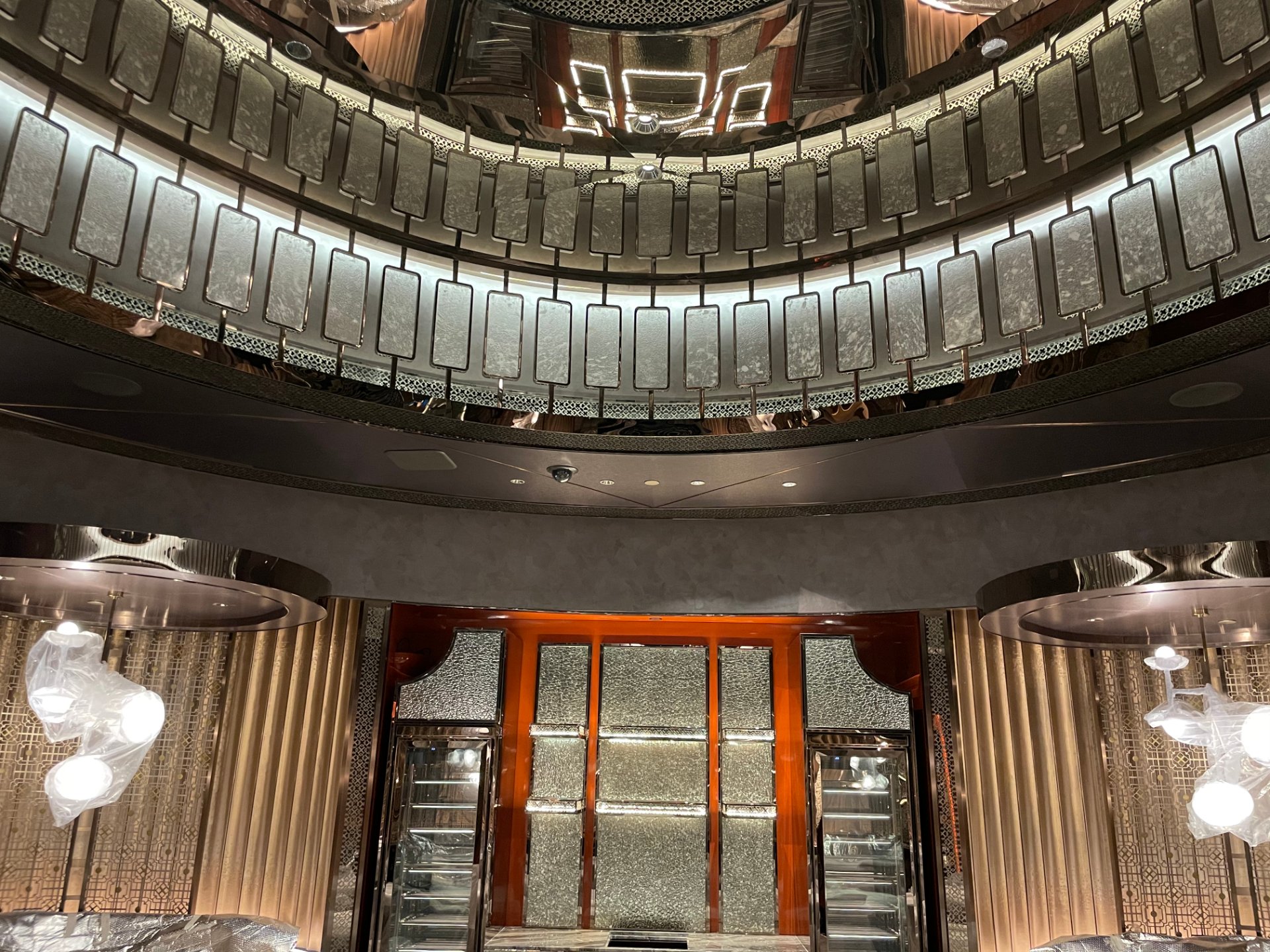
For a large visible installation, the team may also decide to review several adjacent components or a representative assembly. This helps assess the relationship between individual pieces before committing to the full package.
Give the approved reference an identity
Once a sample is approved, it needs a clear place in the project documentation.
An approval record should identify:
Field | What to record |
|---|---|
Sample reference | A unique code |
Material | Substrate and specified grade, where applicable |
Finish | Description and relevant direction or texture |
Approval | Date, reviewer and approval status |
Application | Components or areas covered |
Revision | Any previous reference being replaced |
Retained samples | Where the agreed physical references are held |
If a new sample replaces an earlier one, state that explicitly. Otherwise, the designer, procurement team and workshop may continue referring to different standards.
A sample code is particularly valuable when similar finishes appear across several projects.
Connect approval to production documents
The approved finish reference should appear wherever the finish is specified: the relevant drawings, component schedule, purchase documentation and inspection records.
This connection matters when a project changes. A revised drawing may update a dimension while retaining the finish. Another revision may change the finish without changing the geometry.
The documentation should make those differences visible.
Before production release, check that the latest drawing revision and the current finish reference are being used together. If a reference has been superseded, remove it from the active production package or mark it clearly as obsolete.
Define acceptance before manufacturing
An approved sample provides a reference, but the project still needs a practical acceptance method.
The parties should agree on the visible faces to be reviewed, the viewing conditions, the treatment of natural or process-related variation, and the procedure for resolving a disputed result. For colour-critical coatings, batch-to-batch variation deserves explicit treatment — see our notes on managing colour consistency across large PVD orders. Where a project requires numerical measurements or specific testing, the method and acceptance criteria should be agreed by the relevant specialists.
Avoid leaving these decisions until the completed shipment is ready for inspection.
Replacement components deserve the same attention. Retaining the approved reference and relevant production information can make later matching discussions more precise, although an exact match should not be promised without assessment.
Preparing a useful finish enquiry
A productive enquiry includes the intended application, a reference sample or clear design brief, representative drawings and an indication of which surfaces will remain visible.
It should also identify whether the project needs a flat finish sample, a fabricated mock-up, or both.
Planning a custom metal finish? Share your reference, application and representative component drawings with KingDeco so the sample scope and approval requirements can be discussed before production.